Did Dinosaurs Live in the Snow? 4 True Winter Dinosaur Stories to Tell Your Kids Tonight
Yes, some dinosaurs did live in the snow. Baby dinosaurs hatched in Arctic Alaska, where winters were dark and snowy, and a crested meat-eater lived in Antarctica back when it had forests instead of ice. Here are four true winter stories from my Dinosaur Advent Calendar, each short enough to read aloud before bed.
- 4 true stories
- Ages 4–9
- About a minute each
- No prep
Save this for a cozy evening with your little dinosaur fan, or send it to a friend whose child loves dinosaurs, so they have a true bedtime story ready tonight.
Teeth as Small as a Pinhead
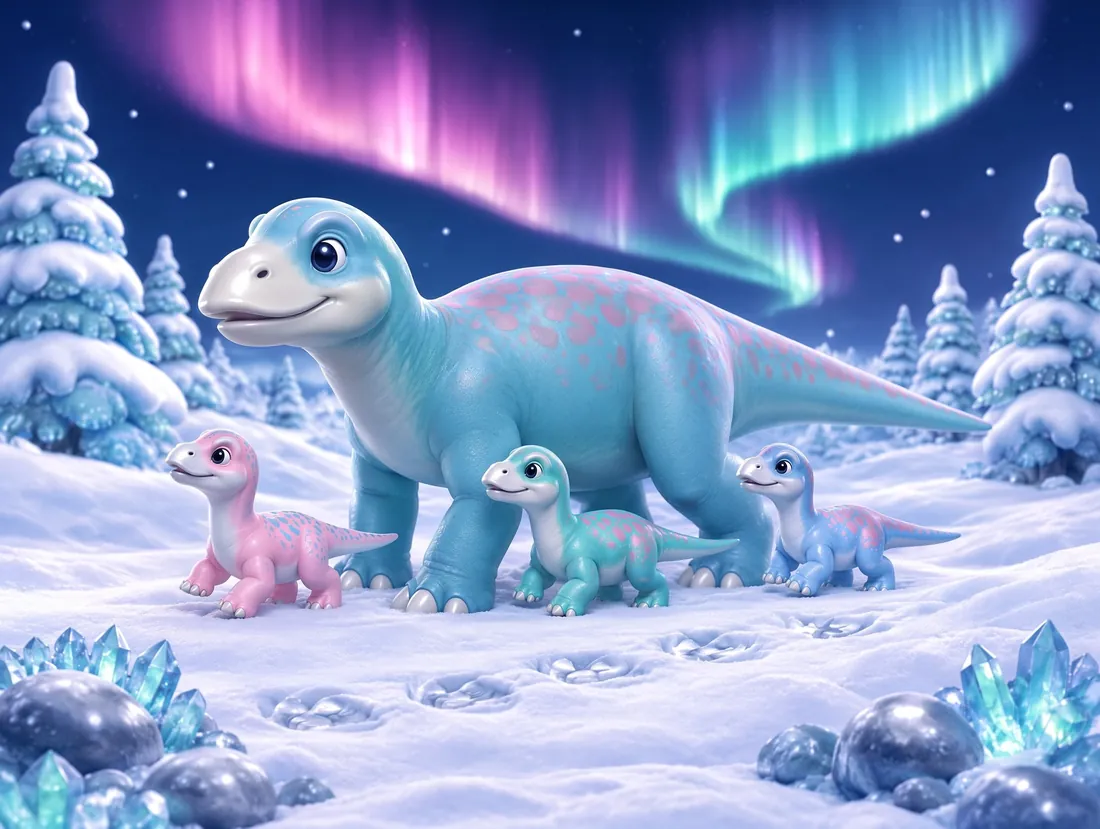
Baby dinosaurs once hatched in a land of snow and months of darkness. How do we know?
Far up in northern Alaska, a river runs past tall cliffs. Scientists came to these cliffs. They washed and sifted lots and lots of rock. Then they looked very closely at what was left.
They found teeth and tiny bones. Some were no bigger than the head of a pin. They belonged to baby dinosaurs, tiny hatchlings and even babies still inside their eggs.
Back then, this part of Alaska was even closer to the North Pole than it is today. Winter brought about four months of darkness, freezing cold, and snow.
Stop here and ask your child: How could a baby dinosaur get through a dark, snowy winter? The end of the story is at the bottom of this page.
Know a little dino fan who asks a hundred questions at bedtime? Send this to their grown-up, so they have a true story ready for tonight. Share it
Did dinosaurs live in the snow?
Yes, some dinosaurs lived where winters brought about four months of darkness, freezing cold, and snow. In northern Alaska, scientists found the bones and teeth of baby dinosaurs, so dinosaurs hatched there and did not just pass through.
Most of us grew up with pictures of dinosaurs in steamy jungles, so this one surprises grown-ups too. The tiny teeth and bones came from many kinds of dinosaurs: duck-billed dinosaurs, horned dinosaurs, and even young tyrannosaurs. The scientists who studied them say this is the farthest north any dinosaurs are known to have lived.
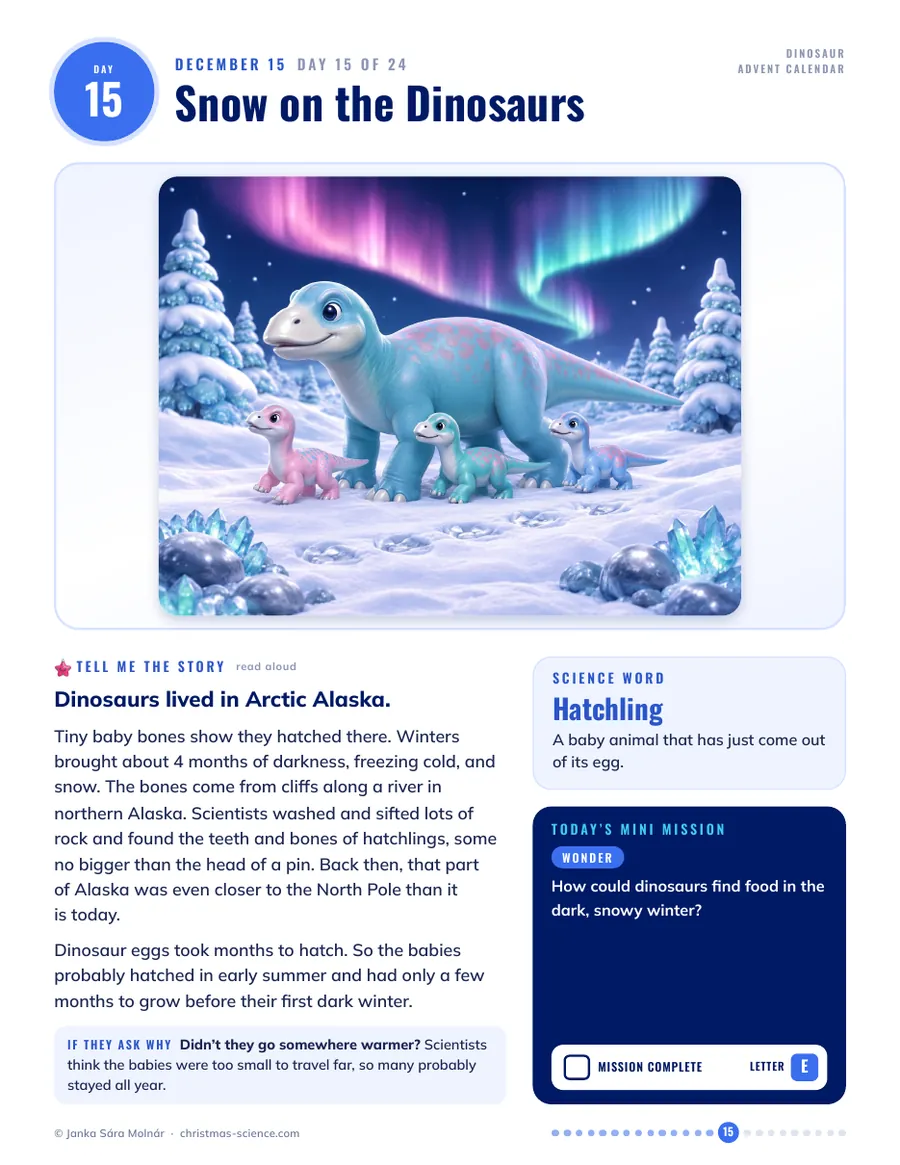
TODAY’S MINI MISSION · A QUESTION FOR DINNER
How could dinosaurs find food in the dark, snowy winter?
IF THEY ASK WHY
Didn’t they go somewhere warmer? Scientists think the babies were too small to travel far, so many probably stayed all year.
Were there dinosaurs in Antarctica?
Yes, dinosaurs lived on every continent, even Antarctica. Back then, Antarctica was much warmer, with forests instead of thick ice.
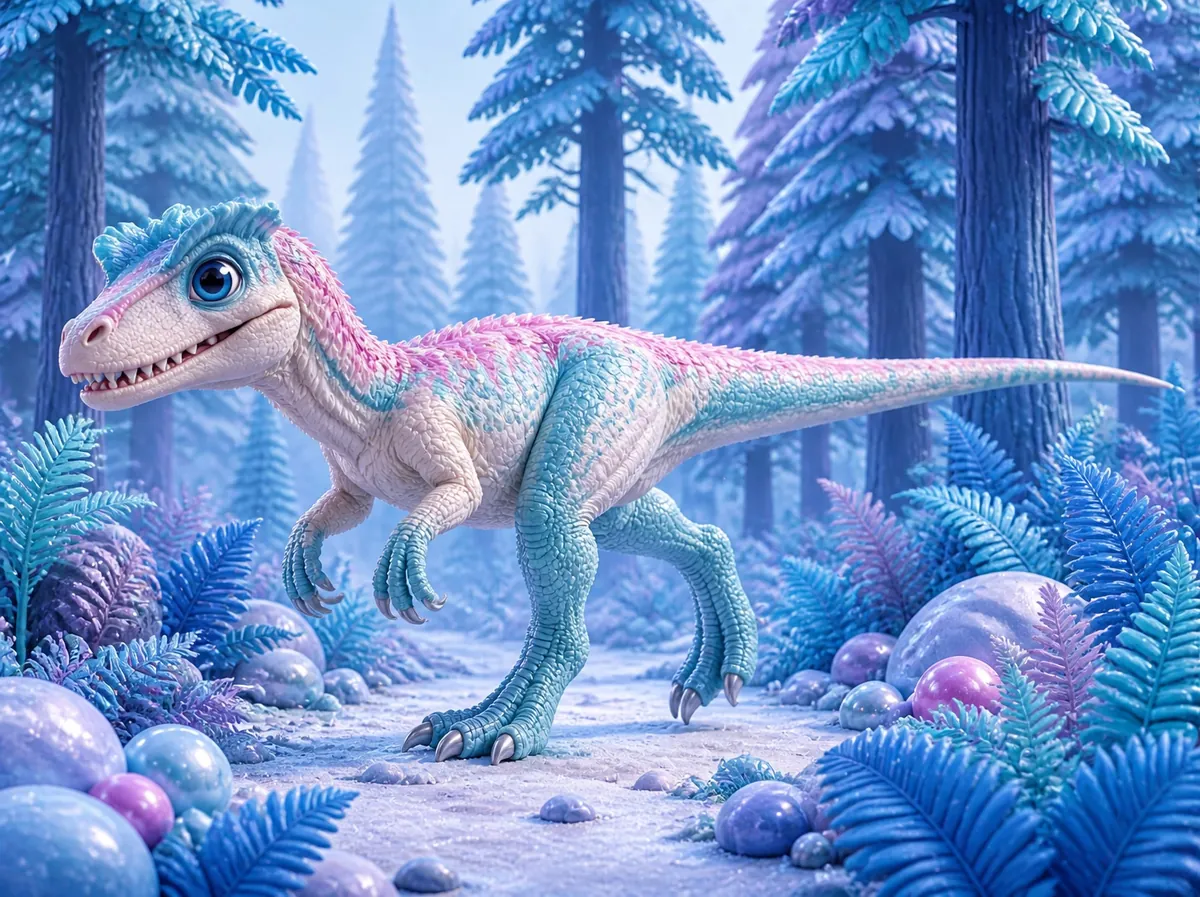
One of the dinosaurs there was Cryolophosaurus (CRY-oh-LOAF-oh-SORE-us), the “frozen crested lizard,” a meat-eater with a bony crest on its head. The FUN part to tell is the crest. It ran from side to side, not front to back, a bit like a fancy comb.
Your child may ask the next question right away: How can an icy land have forests? Continents move very slowly, about as fast as your fingernails grow. Long ago, Antarctica was joined to Australia, Africa, and South America, and there was very little ice anywhere on Earth.
TODAY’S MINI MISSION · DRAW
What would you pack for a trip to Antarctica today? Draw your backpack and everything in it on a piece of paper.
IF THEY ASK WHY
Do dinosaurs live in Antarctica now? Yes. Penguins live there, and penguins are birds, so they are dinosaurs. (If that one gets a big “What?!” the whole story is in “Are Birds Dinosaurs?”)
Have a friend whose kids love penguins? Send them this. That Antarctica once had forests makes a good dinner-table surprise. Share it
How did dinosaurs keep warm in winter?
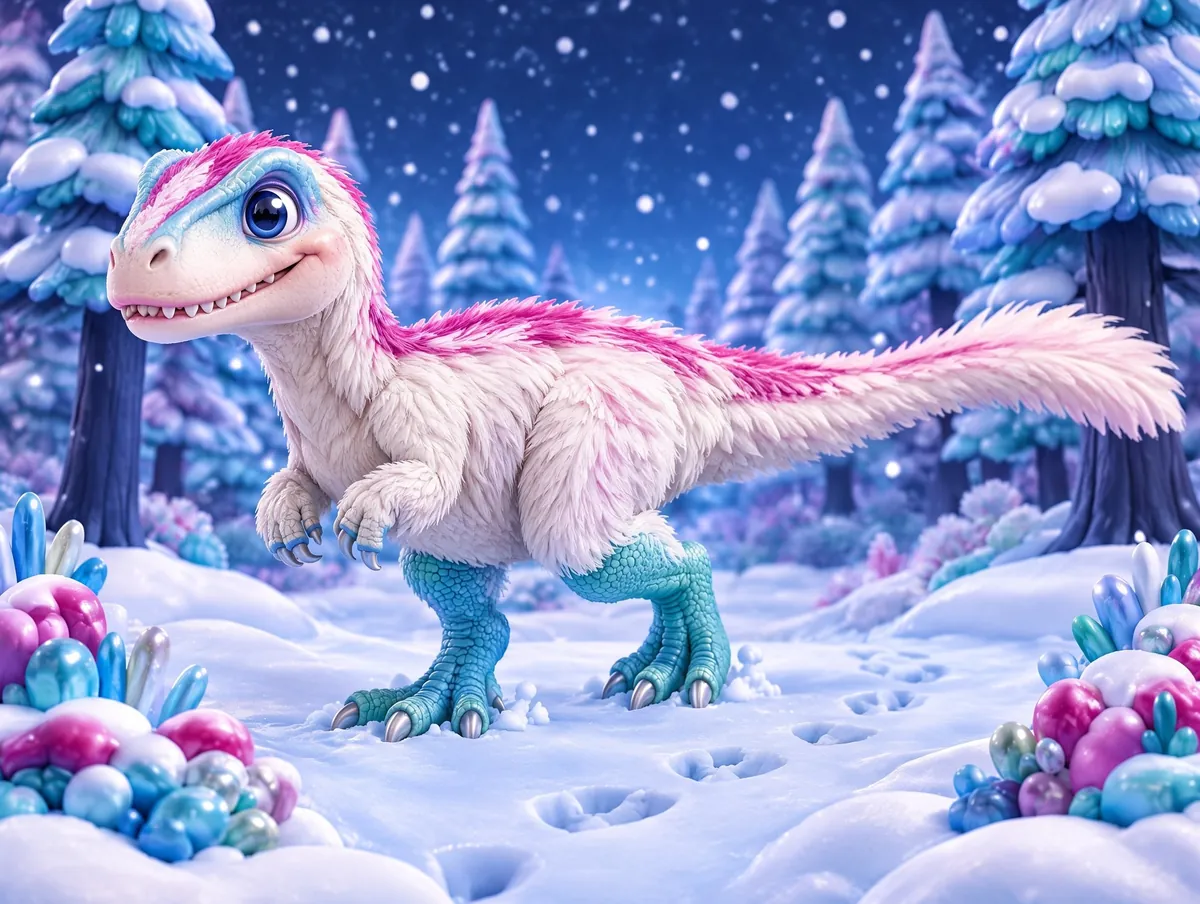
Some dinosaurs had fluffy feathers, and scientists think a coat like that may have helped them keep their body heat in. Yutyrannus (YOO-tie-RAN-us), an early relative of T. rex, is the biggest dinosaur we know for sure had feathers, and it lived where winters were cold.
Yutyrannus means “beautiful feathered tyrant.” It was about 30 feet (9 m) long, as long as two cars. Its feathers were long and fluffy, like the fuzz on a baby chick, not stiff like the feathers in a wing. It lived in what is now China, where an average day was about as cool as a chilly fall day.
Here is the physics, for the grown-up. Air that cannot move around is very bad at carrying heat away. Fluffy feathers hold that air in tiny pockets close to the body. A puffy winter coat and a down comforter work the same way.
TODAY’S MINI MISSION · TRY IT
Put on your fluffiest sweater. Feel how it keeps you warm, like a coat of feathers.
IF THEY ASK WHY
How do feathers keep an animal warm? Fluffy feathers trap lots of tiny pockets of still air, and still air holds heat in.
How did dinosaurs see in the long polar night?
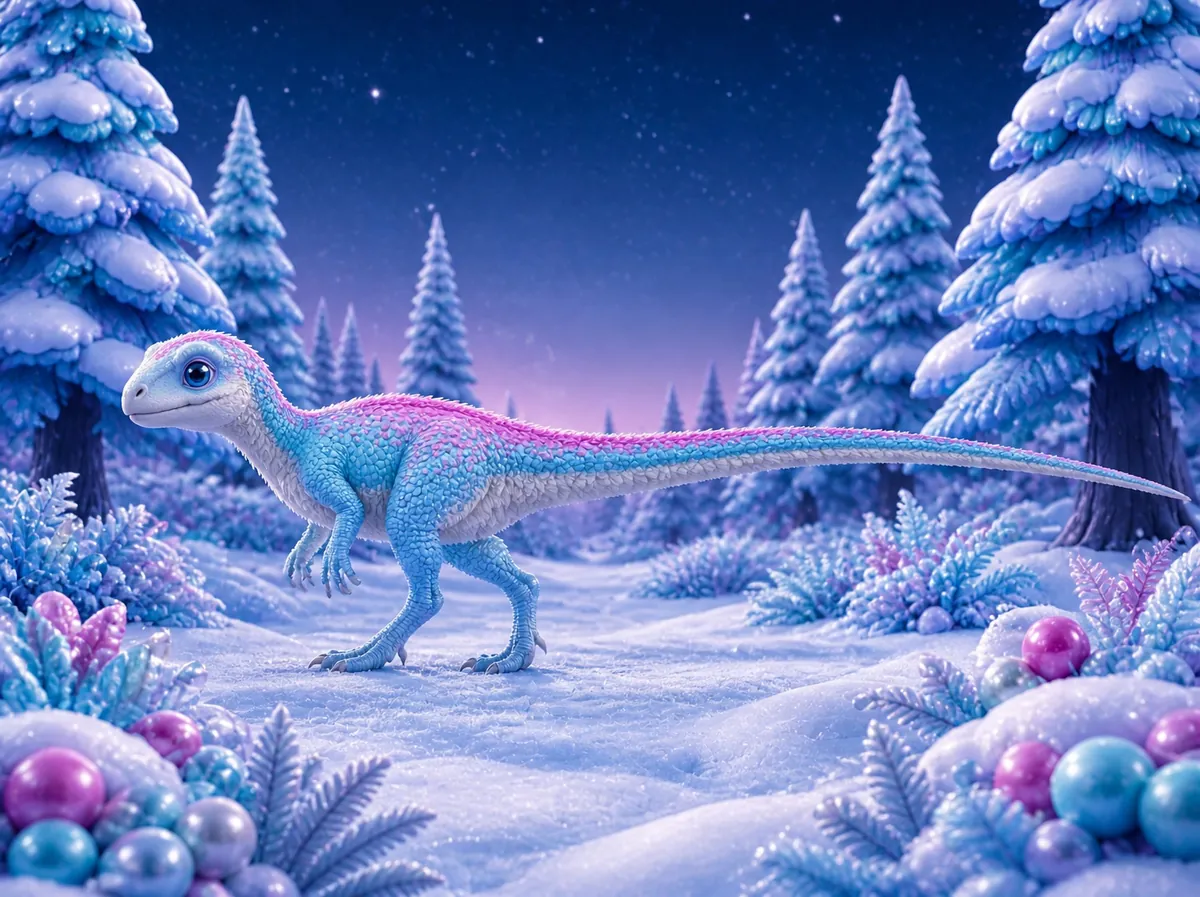
At least one polar dinosaur had large eyes, which may have helped it see during long, dark polar winters. Leaellynasaura (lee-EL-in-uh-SORE-uh) was a small plant-eating dinosaur from a part of Australia that lay inside the Antarctic Circle then.
Its name has a story your child will like. It is named after Leaellyn, the daughter of the two scientists who studied it.
Big eyes work like big windows. They let in more light, so they help an animal see when it is dark. Your eyes have a trick too. The black circle in the middle, the pupil, opens wider in dim light.
TODAY’S MINI MISSION · TRY IT
In a bright room, stand in front of a mirror and cover one eye with your hand. Count to 10, then take your hand away and watch that pupil closely. What happens?
IF THEY ASK WHY
Why did the pupil shrink? In the dark it opened wide to let in more light. In bright light it gets smaller to protect the eye.
Is there a printable dinosaur advent calendar with true stories?
Yes. The four stories above come from Theo & Tilda’s Dinosaur Advent Calendar, a printable advent calendar with 24 true dinosaur stories for kids ages 4 to 9, one for each day from December 1 to 24.
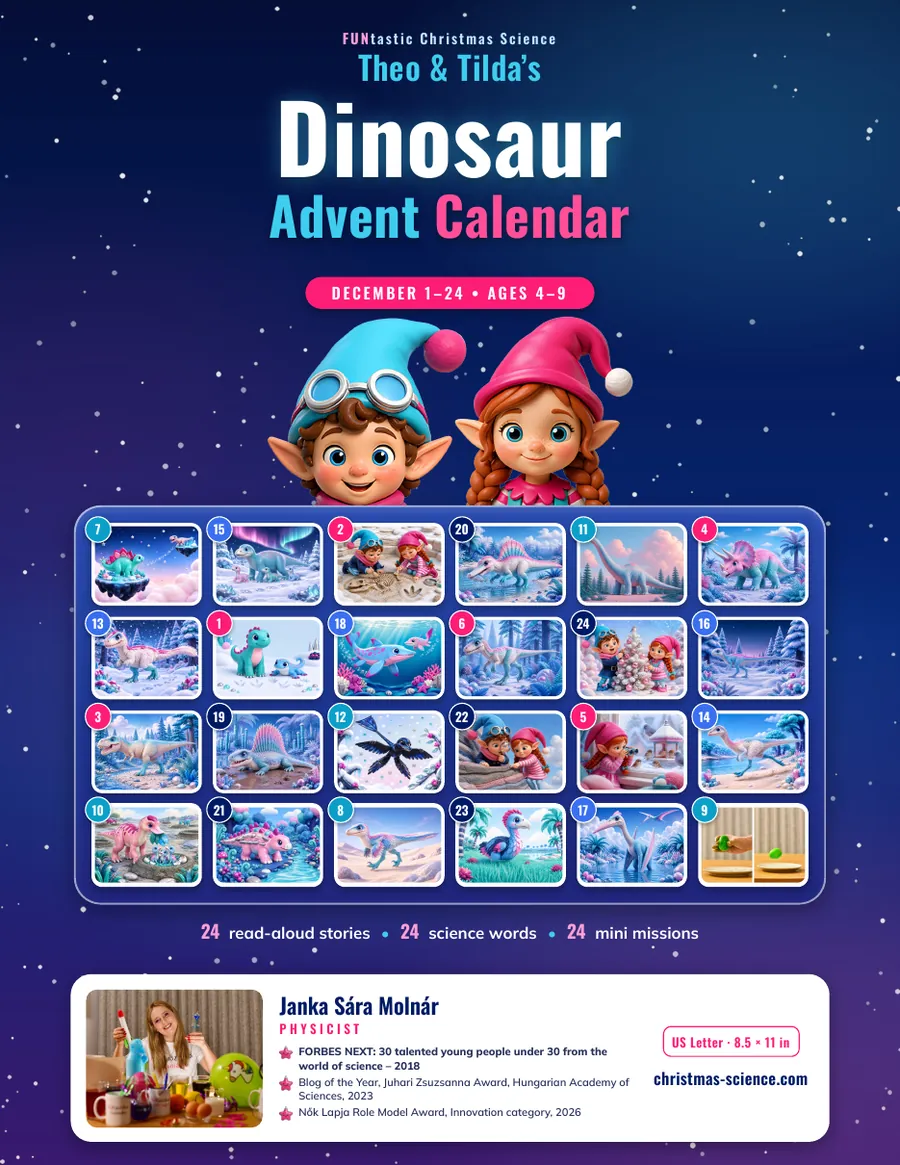
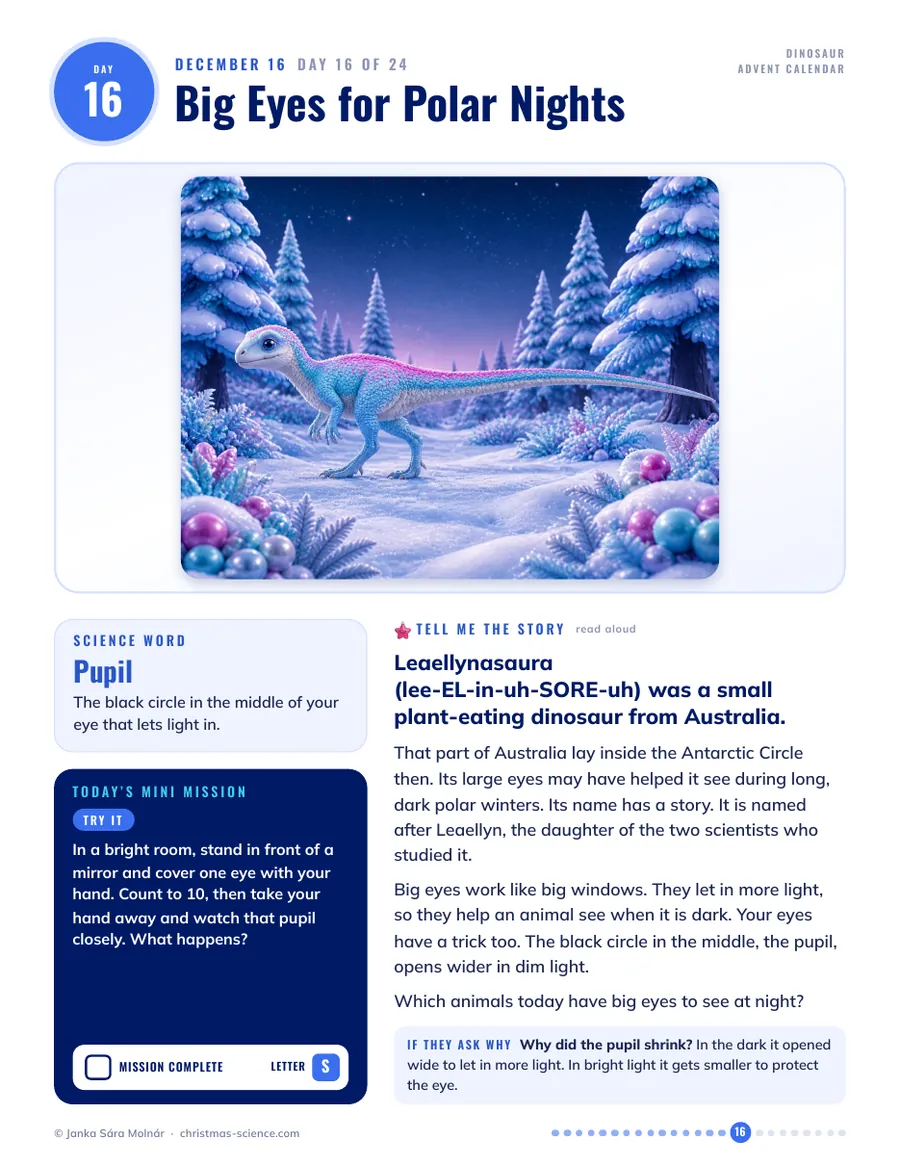
- 24 day pages, each with its own illustration, a one-minute story, a Science word, a mini mission (a quiz, a game, a drawing, or a question for dinner), and an “If they ask why” helper for the grown-up
- Winter dinosaurs from snowy Arctic Alaska, Antarctica, and polar Australia
- New science many older dinosaur books miss: birds are dinosaurs, and many dinosaurs had feathers
- Who is not a dinosaur: pterosaurs, ichthyosaurs, and Dimetrodon
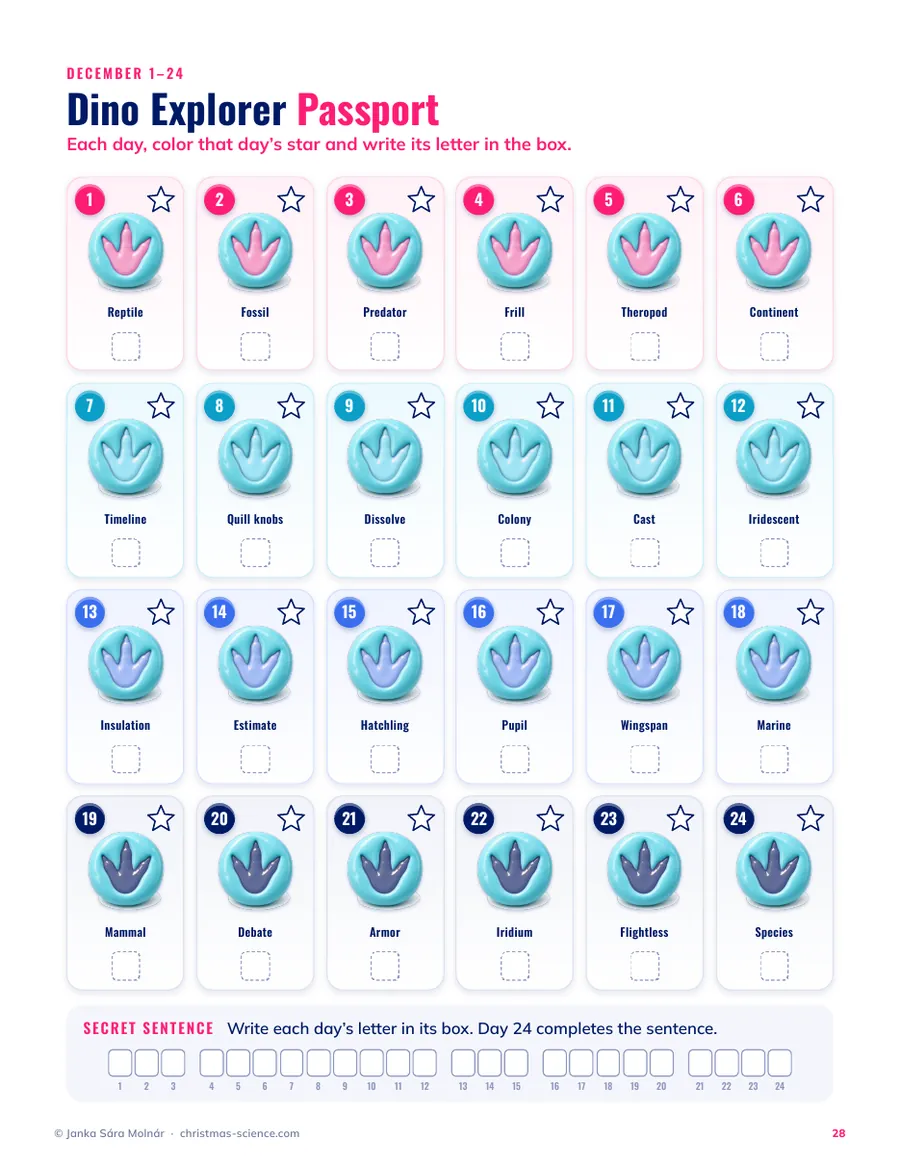
- A Dino Explorer Passport with a secret sentence, and a Junior Paleontologist certificate
- No printer? Read it on a tablet, a laptop, or a phone

One real experiment: the Bouncy Egg
On Day 9, your child learns that all dinosaurs hatched from eggs, some with hard shells and some with soft ones. Then you turn a hard egg into a soft one together. This is the Bouncy Egg, Experiment 42 in Theo and Tilda’s Christmas Science Adventure. The vinegar dissolves the shell over a few days, so start it on a weekend.
With a grown-up, please. It is still a raw egg, so bounce it gently from a low height over a plate or the sink, keep the vinegar away from eyes, wash hands and surfaces afterward, and don’t eat the egg.
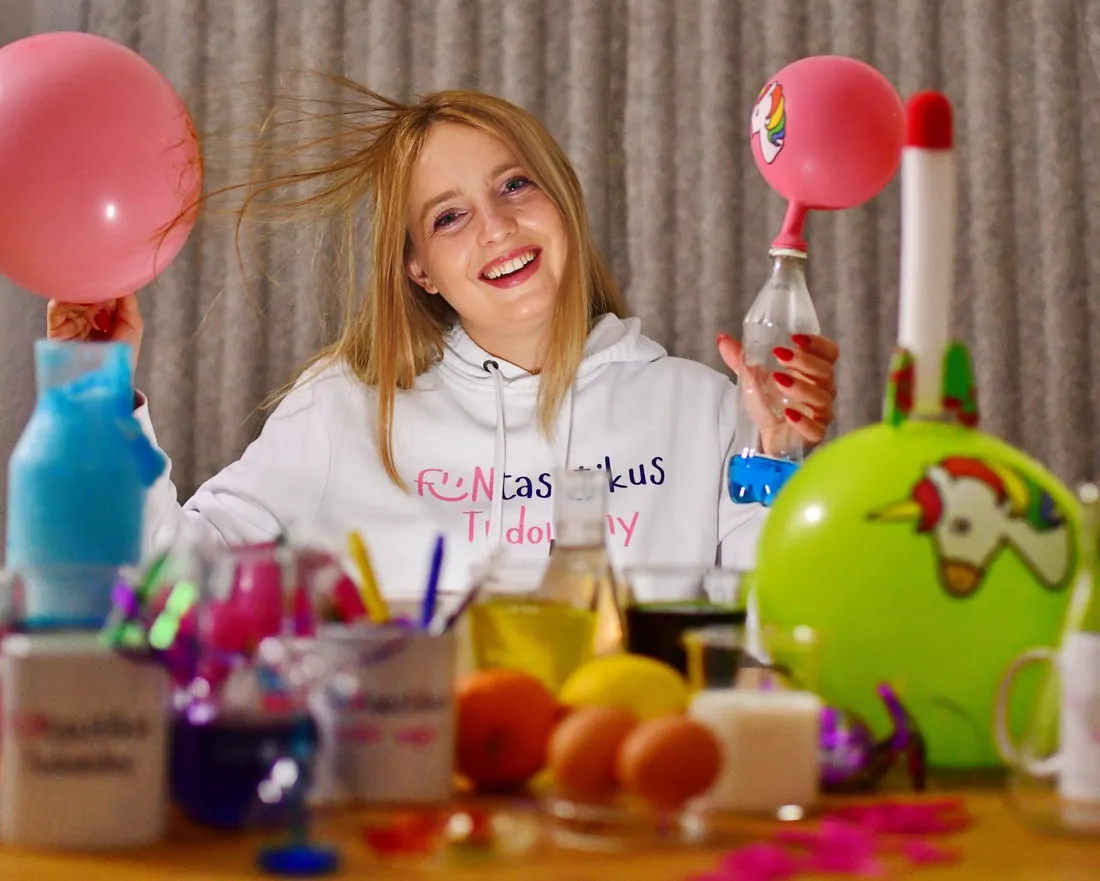
Dinosaur questions are wonderful science questions. When a child asks, “How do we know that?” they are already thinking like a scientist. For this calendar, I checked every fact against natural history museums and scientific papers, so when your child asks, “Is that really true?” you can say yes and show how we know.
One page a day, a few minutes together, and one slower moment in the shopping-baking-visiting rush of December.
Looking for a different theme? Here are all my printable advent calendars for kids, from true rocket stories to animal superpowers.
What happened to the baby dinosaurs?
Dinosaur eggs took months to hatch, so the baby dinosaurs of Alaska probably hatched in early summer. They had only a few months to grow before their first long, dark winter.
Did they walk south to somewhere warmer? Scientists think the babies were too small to travel far. That means many of them probably stayed all year, through the dark and the snow.
How they found food in the dark is still a mystery, even for scientists. That makes it a good question to puzzle over together.
Ask at dinner tonight: How could dinosaurs find food in the dark, snowy winter? There is no wrong answer.
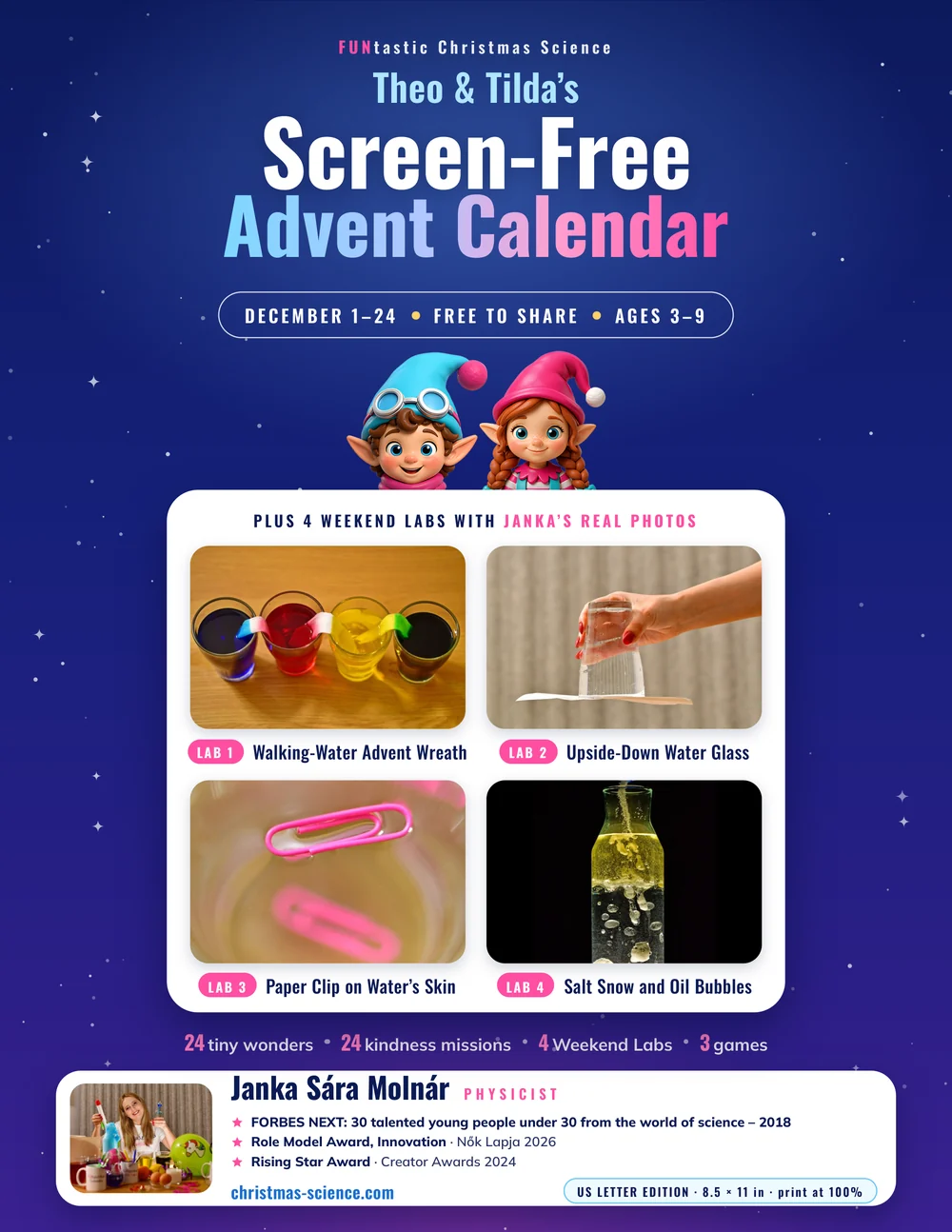
Theo & Tilda’s Screen-Free Advent Calendar
24 tiny wonders and 24 kindness missions, one for every day from December 1 to 24, plus 4 Weekend Labs with my real photos and 3 games. Most tiny wonders take about 10 minutes and use things you probably already have. 22 pages, for ages 3–9.
This calendar is free to share. Print it as often as you like for your family or class, and pass it on to friends, families, and teachers. Please don’t sell it or change it.

Know a family with a little dinosaur fan?
Send them tonight’s story. The four winter dinosaur stories above are free to read aloud, and each one takes about a minute.
COPY THIS MESSAGE
Paste it into a family group chat, or send it to a friend.
I found four true winter dinosaur stories to read to the kids tonight: baby dinosaurs in snowy Alaska, a crested dinosaur from Antarctica, a dinosaur in a feather coat, and a big-eyed dinosaur from polar Australia. Each one takes about a minute, and a physicist checked every fact. www.christmas-science.com/blog/did-dinosaurs-live-in-the-snow
Quick answers about dinosaurs in the snow
Did dinosaurs see snow?
Some dinosaurs almost certainly did. Dinosaurs hatched and grew up in what is now northern Alaska, where winters brought about four months of darkness, freezing cold, and snow. Other polar dinosaurs lived in Antarctica and in southern Australia, which lay inside the Antarctic Circle at the time.
What did dinosaurs do in the winter?
Scientists are still working this out. Scientists think the baby dinosaurs found in Arctic Alaska were too small to travel far, so many probably stayed all year. Some dinosaurs had fluffy feathers that may have helped them keep warm, and at least one polar dinosaur, Leaellynasaura, had large eyes that may have helped it see in the long winter dark.
Do dinosaurs live in Antarctica today?
Yes. Penguins live there, and penguins are birds, so they are dinosaurs. Long ago, Antarctica was much warmer, with forests instead of thick ice. Cryolophosaurus, a meat-eater with a bony crest that ran from side to side across its head, lived there then.
What age is the Dinosaur Advent Calendar for?
Ages 4 to 9. Little ones can enjoy it with a grown-up reading aloud. Each of the 24 day pages has a one-minute true story, a Science word, and a mini mission, and the calendar comes as two PDF files, US Letter and A4. No printer? You can read it on a tablet, a laptop, or a phone.
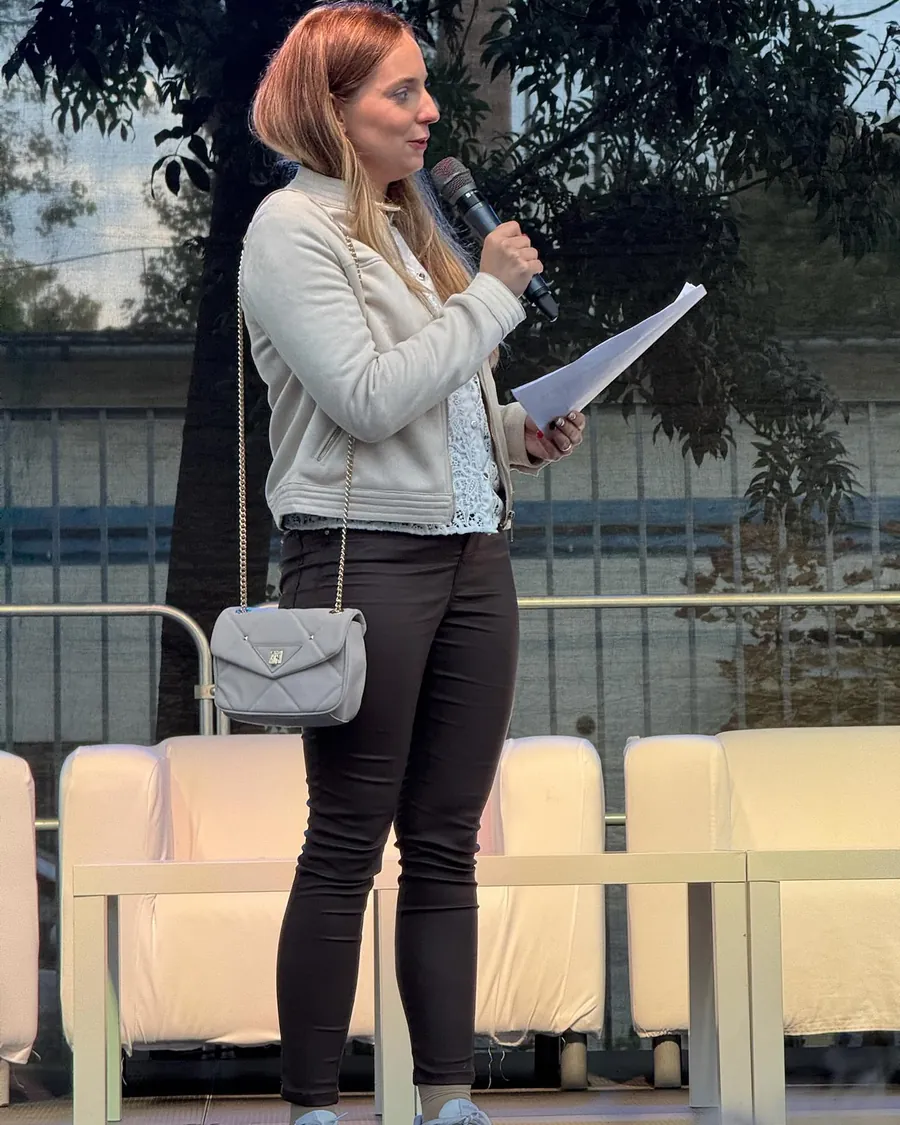
About Janka
Janka Sára Molnár is a physicist and award-winning science communicator from Hungary, and the founder of FUNtastic Christmas Science. As a high school student, she built particle detectors and took them to CERN several times, where she presented them in its teacher program. She graduated from Eötvös Loránd University (ELTE) in Budapest, and for almost 15 years she has run several hundred science shows for children and families.
- FORBES NEXT: 30 talented young people under 30 from the world of science – 2018
- Rising Star Award, Creator Awards, 2024
- Role Model Award, Innovation, Nők Lapja, 2026
- Juhari Zsuzsanna Blog of the Year Award, Hungarian Academy of Sciences, 2023
The dinosaur illustrations and the pictures of Theo, Tilda, and their world were created with AI-assisted tools (Canva) and edited by our team. Most facts come from Theo & Tilda’s Dinosaur Advent Calendar, which physicist Janka Sára Molnár checked against natural history museums and scientific papers, and the rest were checked against the same kinds of sources. The Bouncy Egg photo is a real photo of her own experiment.
Keep reading
More Christmas science ideas from Theo, Tilda, and me.
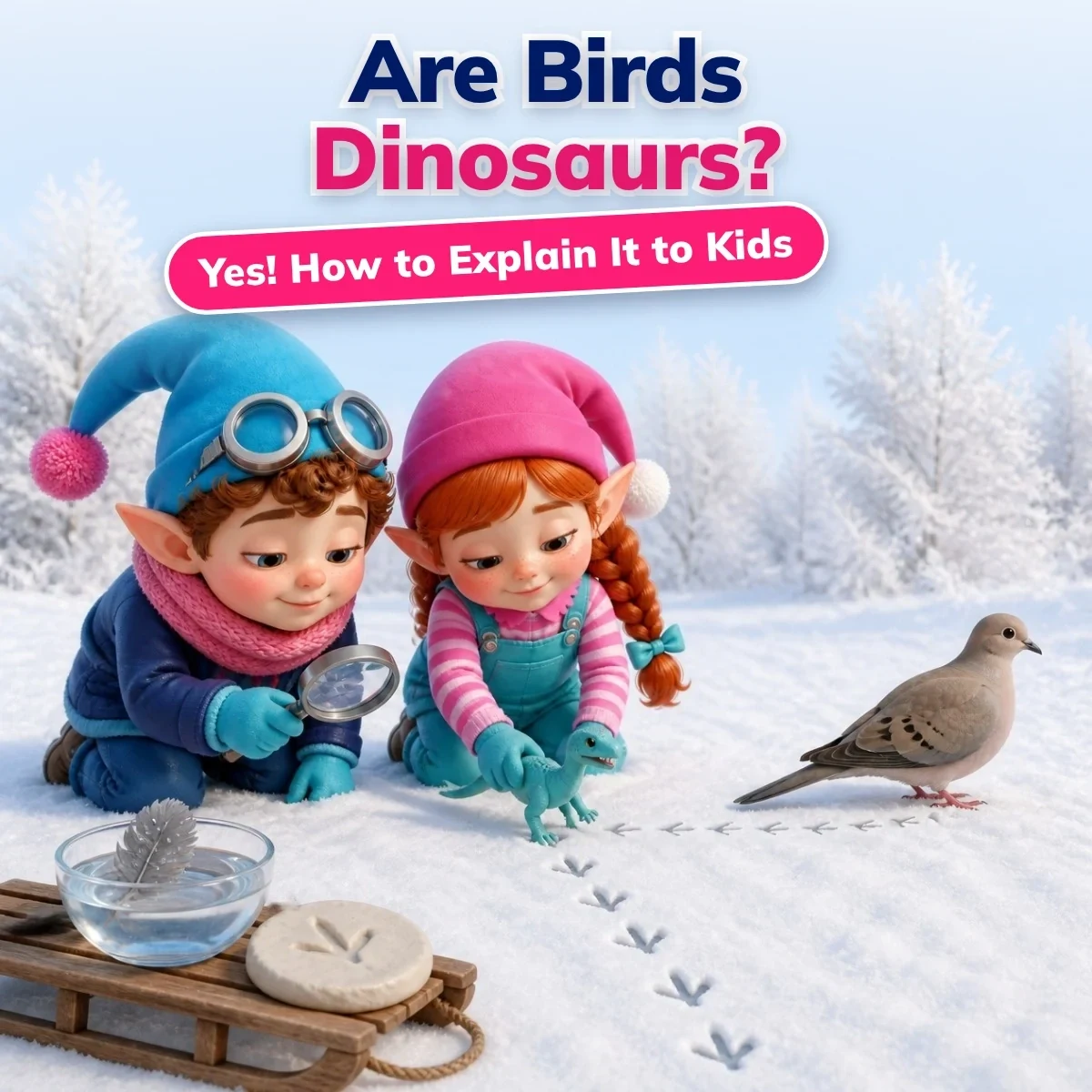 For parents · 11 min readAre Birds Dinosaurs? Yes! How to Explain It to KidsAre birds dinosaurs? Yes. A true story to tell your kids today, with a bird-watching mission, a feather mystery, and the “dinosaurs” that aren’t dinosaurs.Read the post →
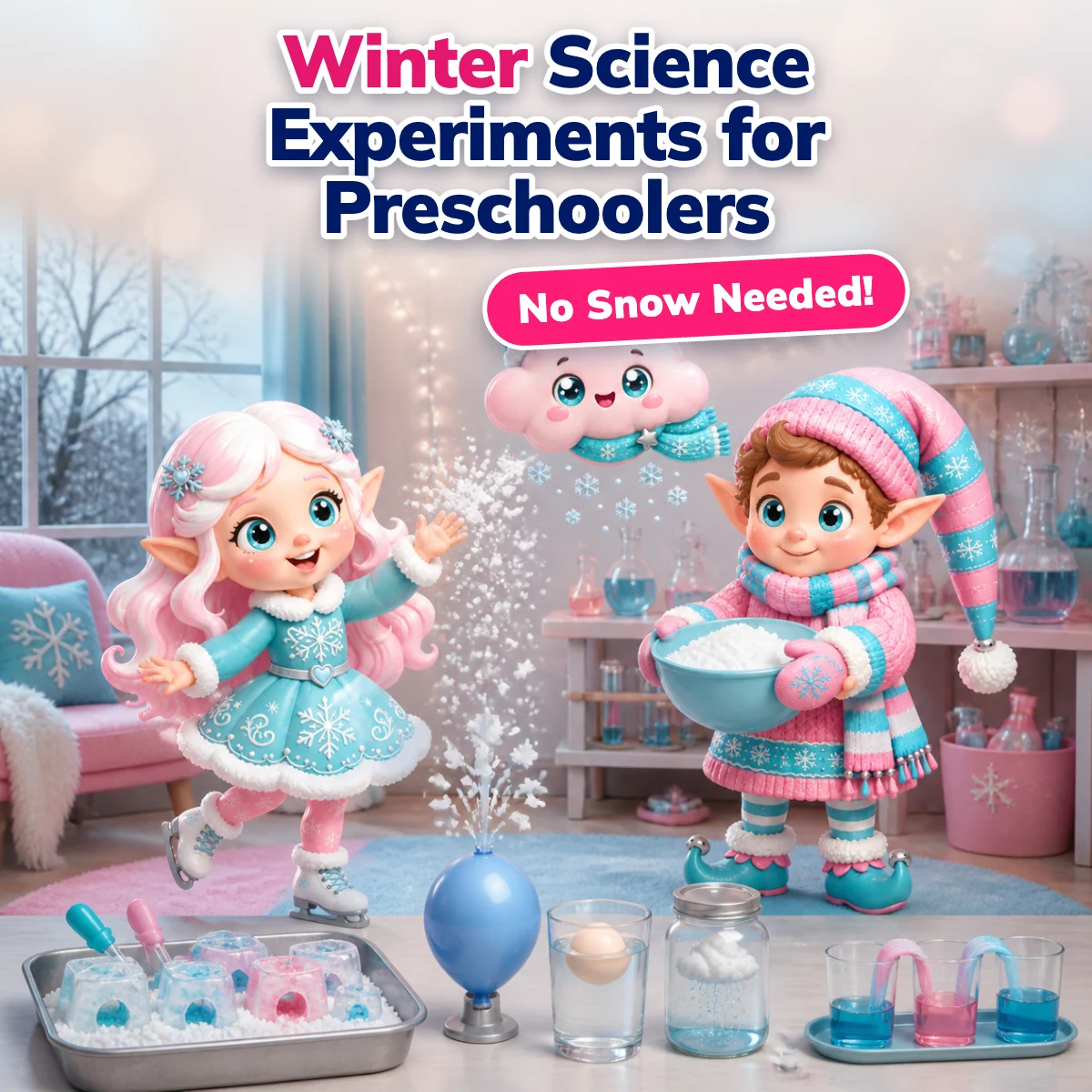 Preschool · 22 min readWinter Science Experiments for Preschoolers (No Snow Needed)10 easy winter science experiments for preschoolers, no snow needed: ice, salt, cornstarch, a floating egg, static snowflakes. No flames, no hot water.Read the post →
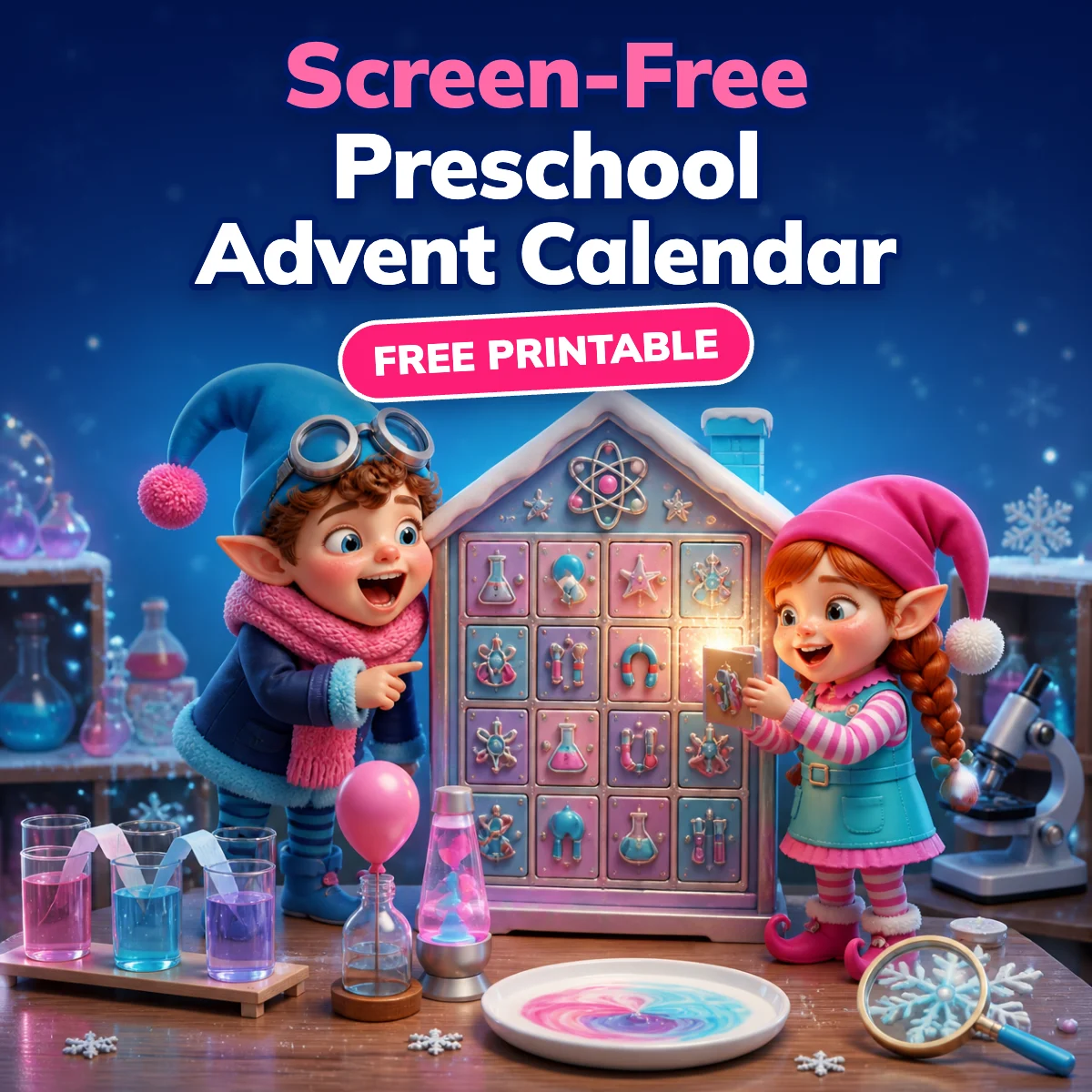 Free calendar · Preschool · 9 min readScreen-Free Preschool Advent Calendar (Free Printable)A free, screen-free preschool advent calendar from a physicist: 24 ten-minute science wonders and kindness missions for Pre-K and K. Free to share.Read the post →
© 2026 FUNtasztikus Tudomány Kft. – Janka Sára Molnár