Are Birds Dinosaurs? Yes, and There’s One at Your Window Right Now
Yes, birds are dinosaurs. Here is a true story to tell your kids today, with a bird-watching mission, a feather mystery, and the toy-box “dinosaurs” that aren’t dinosaurs at all.
- A story for today
- Ages 4–9
- Window mission
- No prep
Got a child who loves dinosaurs or birds? Save this for today, or send it to a family with a bird feeder, so their kids can count dinosaurs too.
The Dinosaur on the Windowsill
There may be a dinosaur outside your window right now.
Look out the window. Is there a pigeon or a sparrow out there, pecking at crumbs?
Watch how it walks. Its legs go straight down under its body, like the legs of a table. A lizard walks differently. Its elbows and knees point out to the sides, and its belly stays close to the ground.
Now look closely at the bird’s feet. They have scales and three toes pointing forward. Many meat-eating dinosaurs left footprints just like that.
That bird is a dinosaur. A real, living one.
Ask your child: If birds are dinosaurs, how many dinosaurs live on your street? The end of the story is at the bottom of this page.
Know a child who would love to hear that the pigeon outside is a dinosaur? Send this to their grown-up. Share it
Are birds dinosaurs?
Yes, birds are the one group of dinosaurs still alive today. They belong to the theropods (THEER-uh-pods), the same two-legged dinosaur group as T. rex and Velociraptor. The sparrows and pigeons you see this winter are living dinosaurs.
How do scientists know? They look for things that birds and other dinosaurs share. Day 1 of my calendar starts with the legs. Dinosaurs are reptiles with legs straight under their bodies. In a fossil, you can see it at the hip. A dinosaur’s hip socket has a hole right through it, where the top of the leg bone fits.
Theropods walked on two legs, and many of them had feathers and hollow bones, just like birds today.
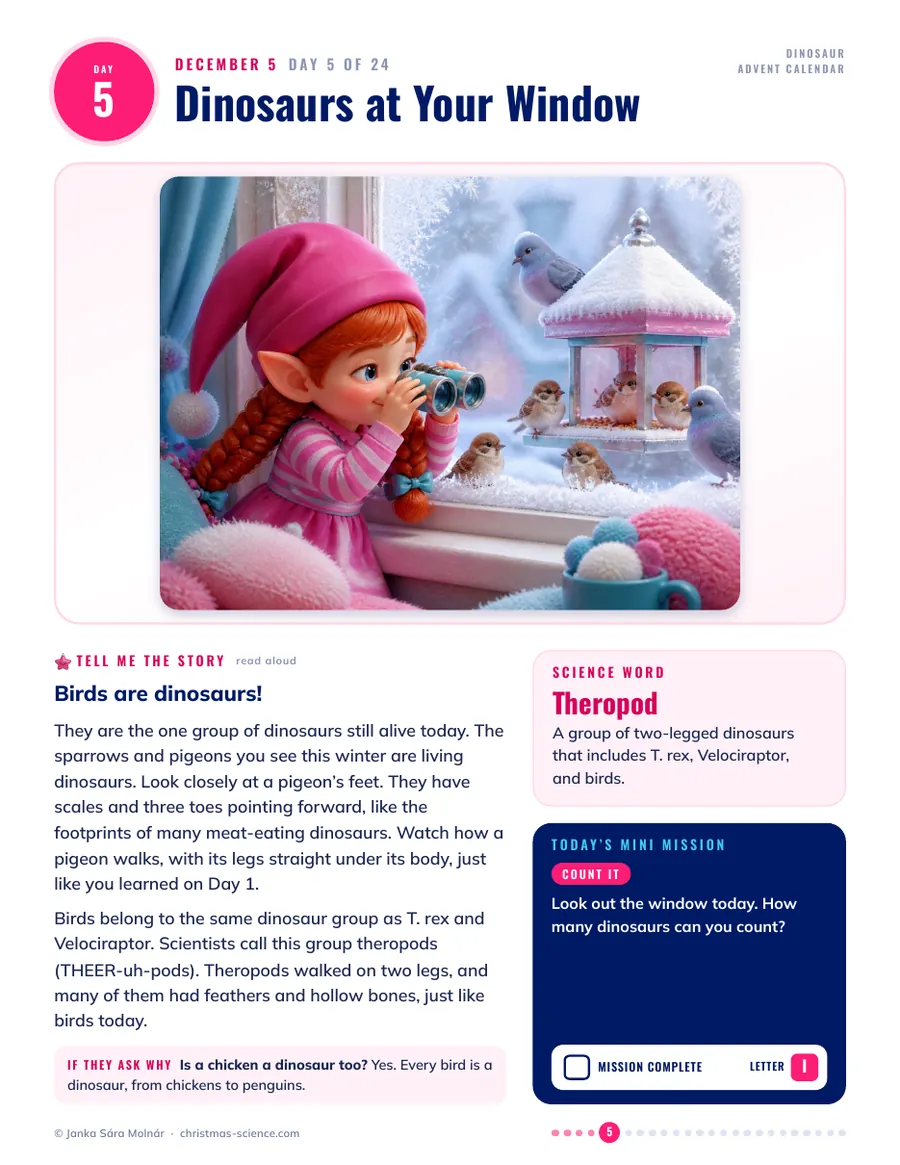
TODAY’S MINI MISSION · COUNT
Look out the window today. How many dinosaurs can you count?
ONE MORE, FROM DAY 1 · MOVE
Walk tall like a dinosaur, then crawl like a lizard with your elbows out. Which feels easier?
Straight legs carry your weight on your bones, like table legs, so your muscles don’t have to work as hard.
IF THEY ASK WHY
Is a chicken a dinosaur too? Yes. Every bird is a dinosaur, from chickens to penguins.
How do scientists know dinosaurs had feathers?
Scientists know from clues in the bones and from feathers kept in the rock. Velociraptor’s arm bones have little bumps called quill knobs, where big feathers attached, just like in many birds today. And some fossils keep their feathers so well that scientists can work out their color.
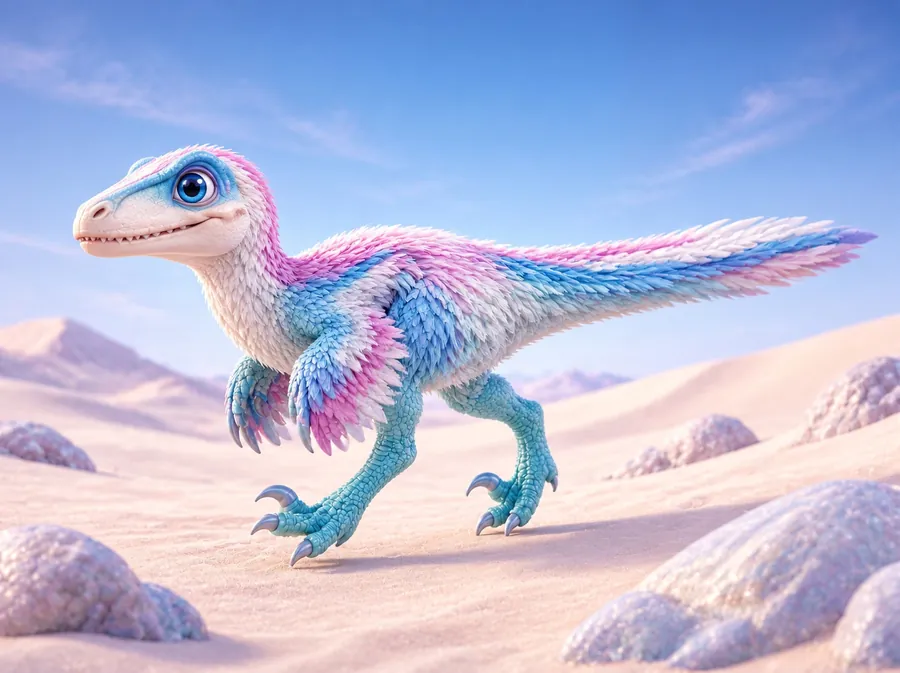
Velociraptor was turkey-sized. The real one was much smaller than the one in the movies, and it had big feathers on its arms. It lived more than 70 million years ago in a dry, sandy desert, in what is now Mongolia. It could not fly, because its feathered arms were too short to lift its body.
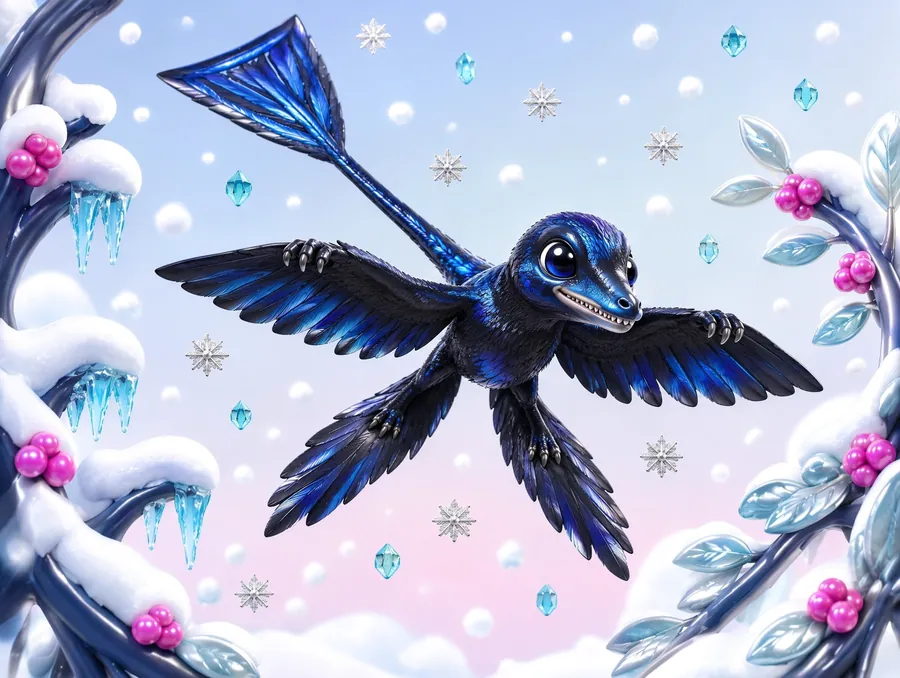
Microraptor had four wings. It was a small dinosaur with feathered wings on its arms and its legs. Its fossil feathers show it was shiny black with a blue shimmer, like a crow.
How can a fossil show a color? Feathers hold tiny packets of color called melanosomes (muh-LAN-uh-sohms), far too small to see without a special microscope. Their shape gives the color away. Long, thin ones stacked in neat rows make shiny black.
TODAY’S MINI MISSION · QUIZ
Where did Microraptor have wings? A) Only on its arms B) On its arms and legs C) On its tail
Answer: B. On its arms and legs.
IF THEY ASK WHY
Is the color just a guess? Not a wild guess. Scientists compared the fossil’s melanosomes with those of living birds whose colors they know.
Know a dinosaur fan who still pictures Velociraptor as big as a person? Send this to their family. The turkey-sized truth will surprise them. Share it
How did dinosaurs go extinct, and why did birds survive?
About 66 million years ago, an asteroid 6 to 9 miles (10 to 15 km) wide hit what is now Mexico, and all dinosaurs died out except some birds. Scientists are still studying why those birds survived. Small birds that could eat seeds probably found food more easily after the asteroid hit.
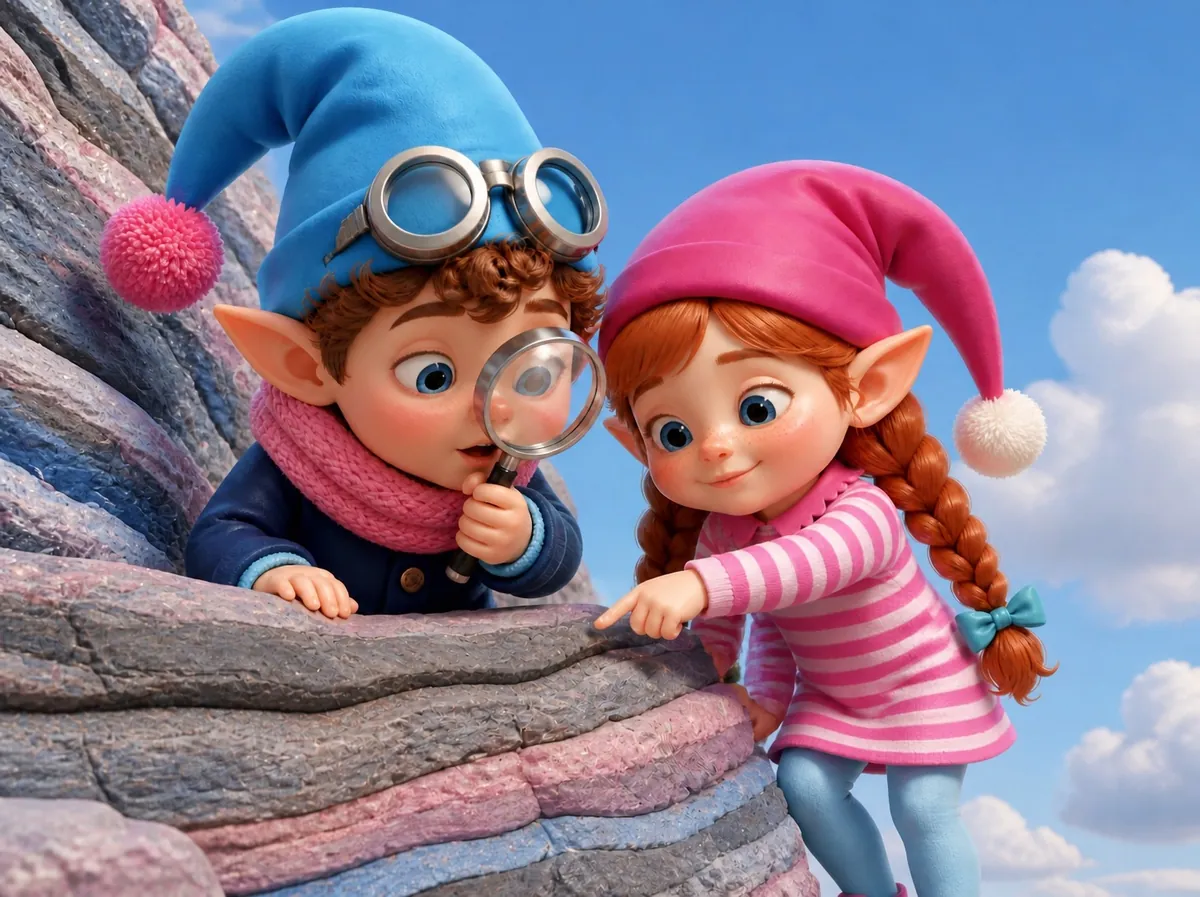
The first big clue came from a physicist, Luis Alvarez, and his son Walter. Walter was a geologist, a scientist who studies rocks. In Italy, he studied a thin layer of clay from the time the dinosaurs died out. It held far more iridium than normal, and space rocks have much more of this rare metal than Earth’s rocks do.
In 1980, the Alvarez team said a giant asteroid had hit Earth. About 10 years later, scientists showed where: a huge crater buried deep under Mexico’s coast.
TODAY’S MINI MISSION · QUIZ
What clue did Luis and Walter Alvarez find? A) A giant footprint B) Rocks rich in rare iridium C) A T. rex tooth
Answer: B. Rocks rich in rare iridium.
Is a pterodactyl a dinosaur?
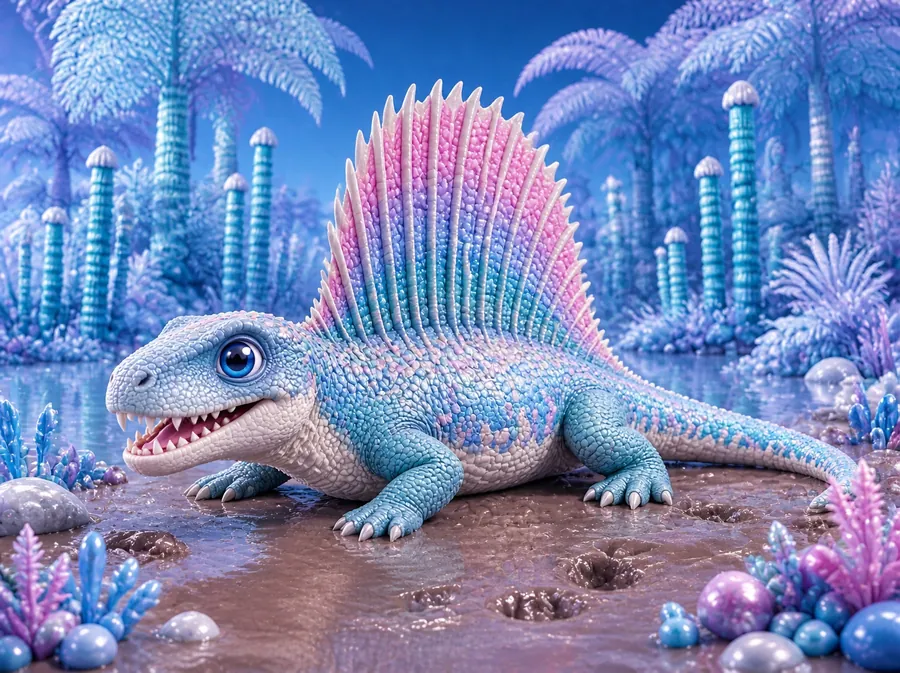
No, pterosaurs, the flying reptiles many people call pterodactyls, were not dinosaurs. They were close cousins, but a separate group. Ichthyosaurs in the sea were not dinosaurs either, and neither was Dimetrodon, the sail-backed animal in many dinosaur toy sets.
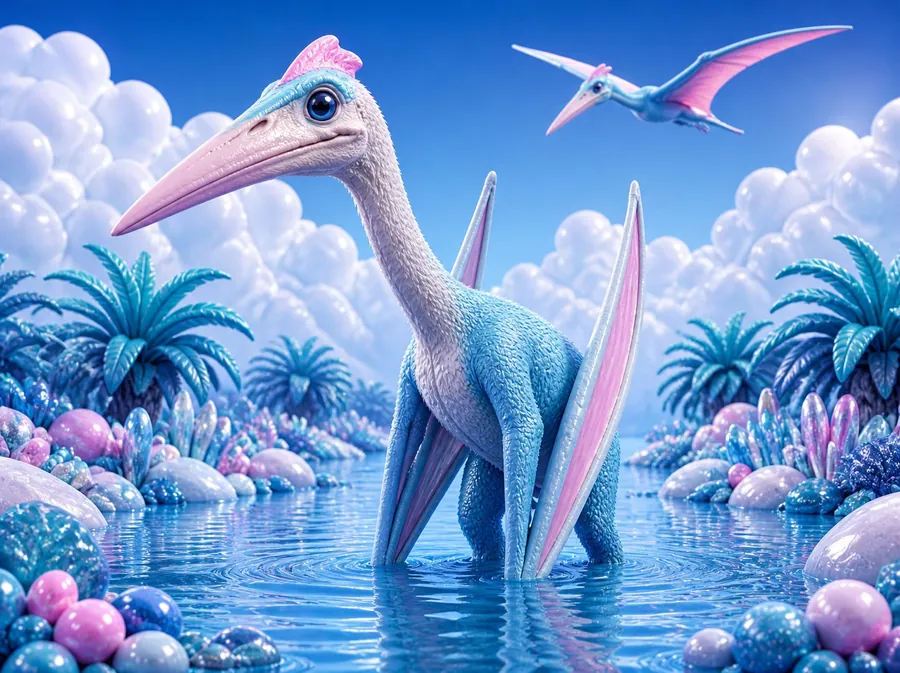
Pterosaurs flew. Quetzalcoatlus (KET-sul-koh-AT-lus) had wings about 36 feet (11 m) across, as wide as a small airplane, and it was about as tall as a giraffe. A pterosaur’s wing was made of skin. It stretched from one super-long finger all the way down to the leg. Pterosaurs were the first animals with backbones to fly, long before birds.
Ichthyosaurs swam. Some looked a lot like dolphins. Ichthyosaurs breathed air, so they had to swim up to the surface. More than 200 years ago, a girl named Mary Anning and her brother Joseph found one of the first ichthyosaur skeletons on a beach in England. Mary was about 12 years old.
Dimetrodon came before the dinosaurs. It lived about 280 million years ago, and it is more closely related to you than to T. rex. Its legs stuck out to the sides, like a lizard’s. Remember the legs from Day 1? That is one clue it was not a dinosaur.
TODAY’S MINI MISSION · FIND
Check your toy box. Can you find an animal that is not really a dinosaur?
QUIZ · TRUE OR FALSE?
Quetzalcoatlus was a dinosaur.
Answer: False. It was a pterosaur, a flying reptile.
What’s inside the Dinosaur Advent Calendar?
Theo & Tilda’s Dinosaur Advent Calendar is a printable advent calendar for kids ages 4 to 9, with one page for each day from December 1 to 24. Every page has a true dinosaur story to read aloud in about a minute, a Science word, a mini mission, and an “If they ask why” helper for the grown-up.
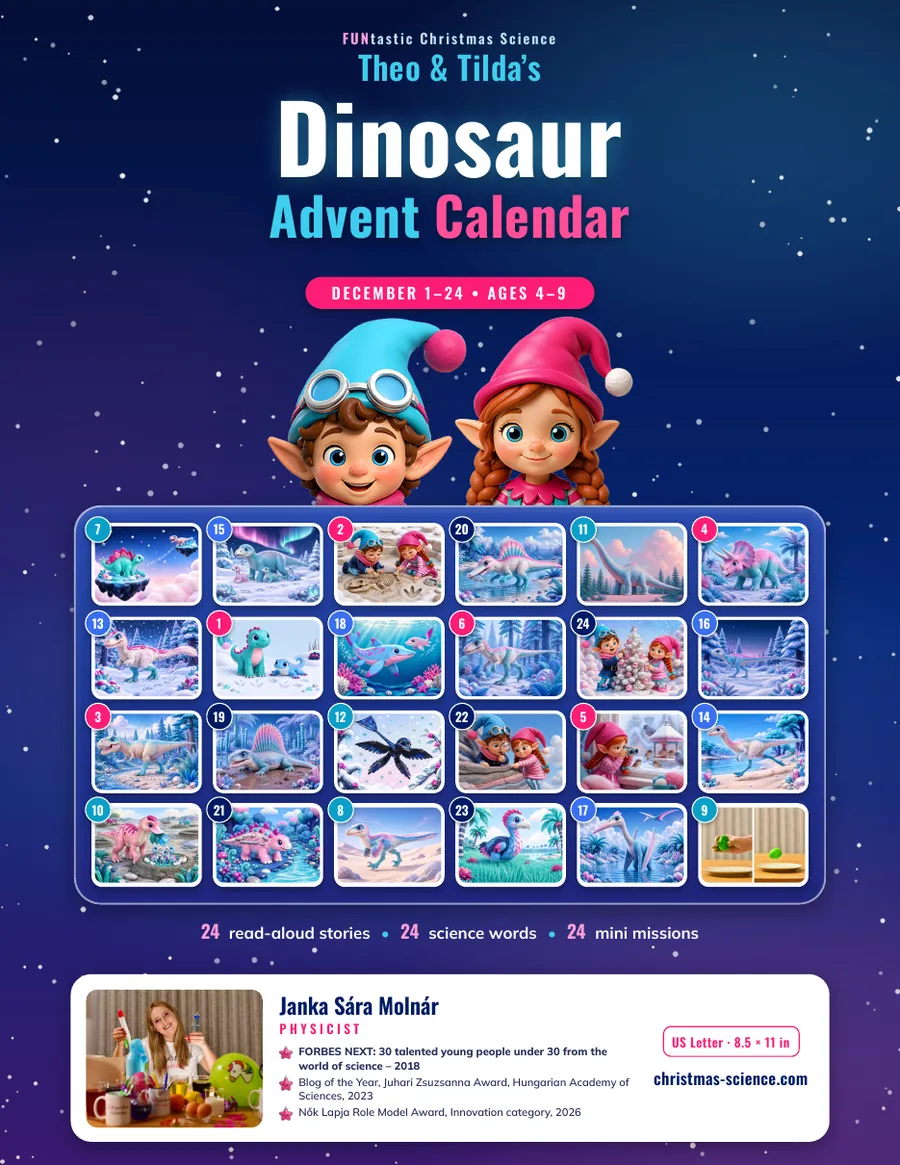
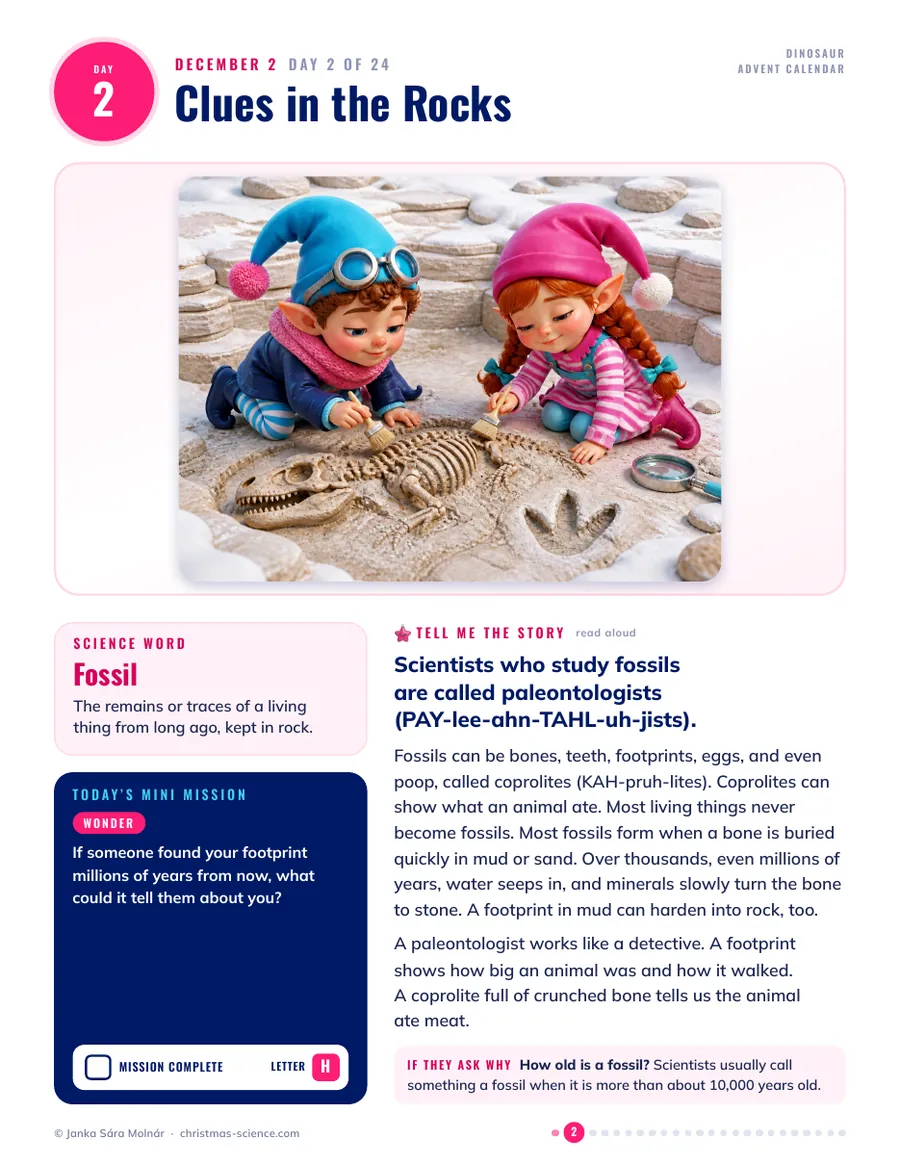
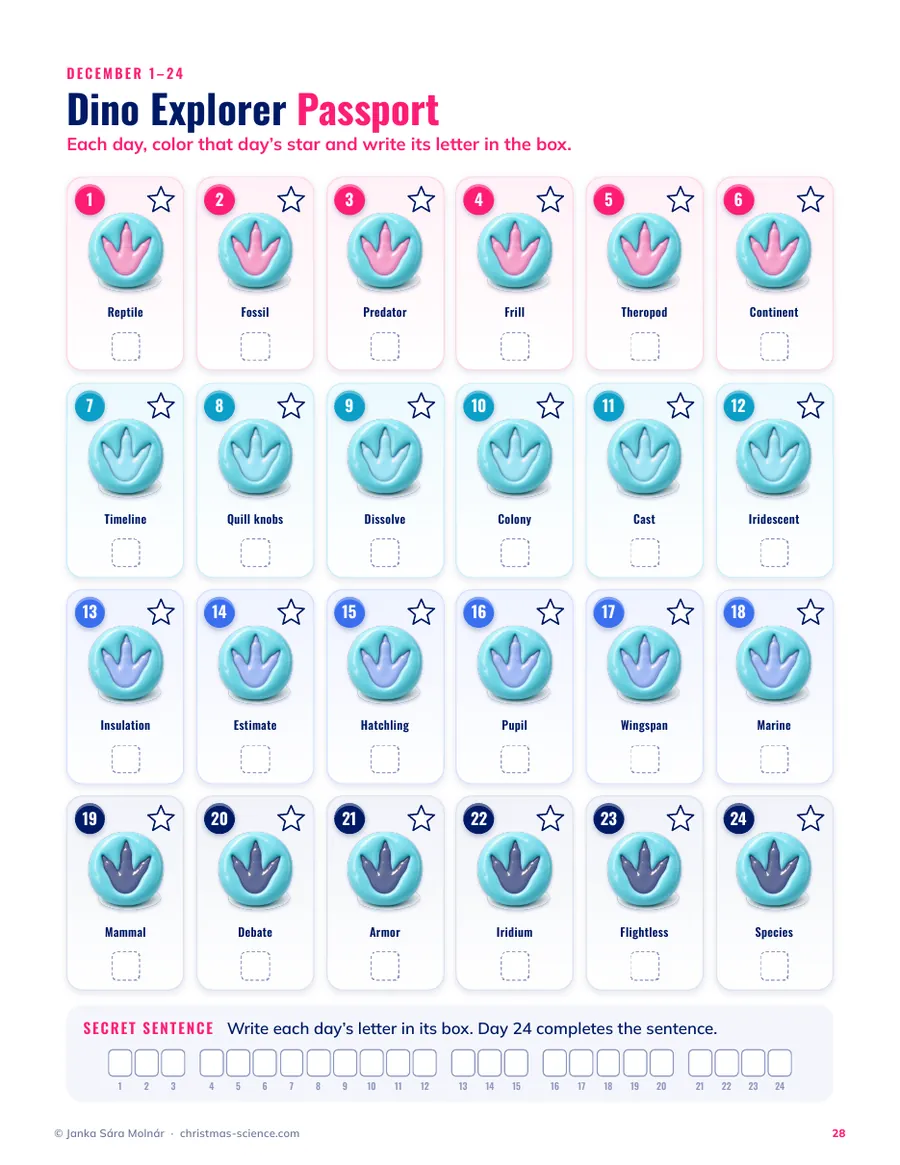
The mini missions change every day: a quiz, a game for two, a drawing, something to count at home, or a question for dinner. Most take one to five minutes, with nothing to buy. Each day your child also colors a star in the Dino Explorer Passport and writes down a letter. On December 24, the 24 letters spell a secret sentence, and there is a Junior Paleontologist certificate to fill in.
All dinosaurs hatched from eggs
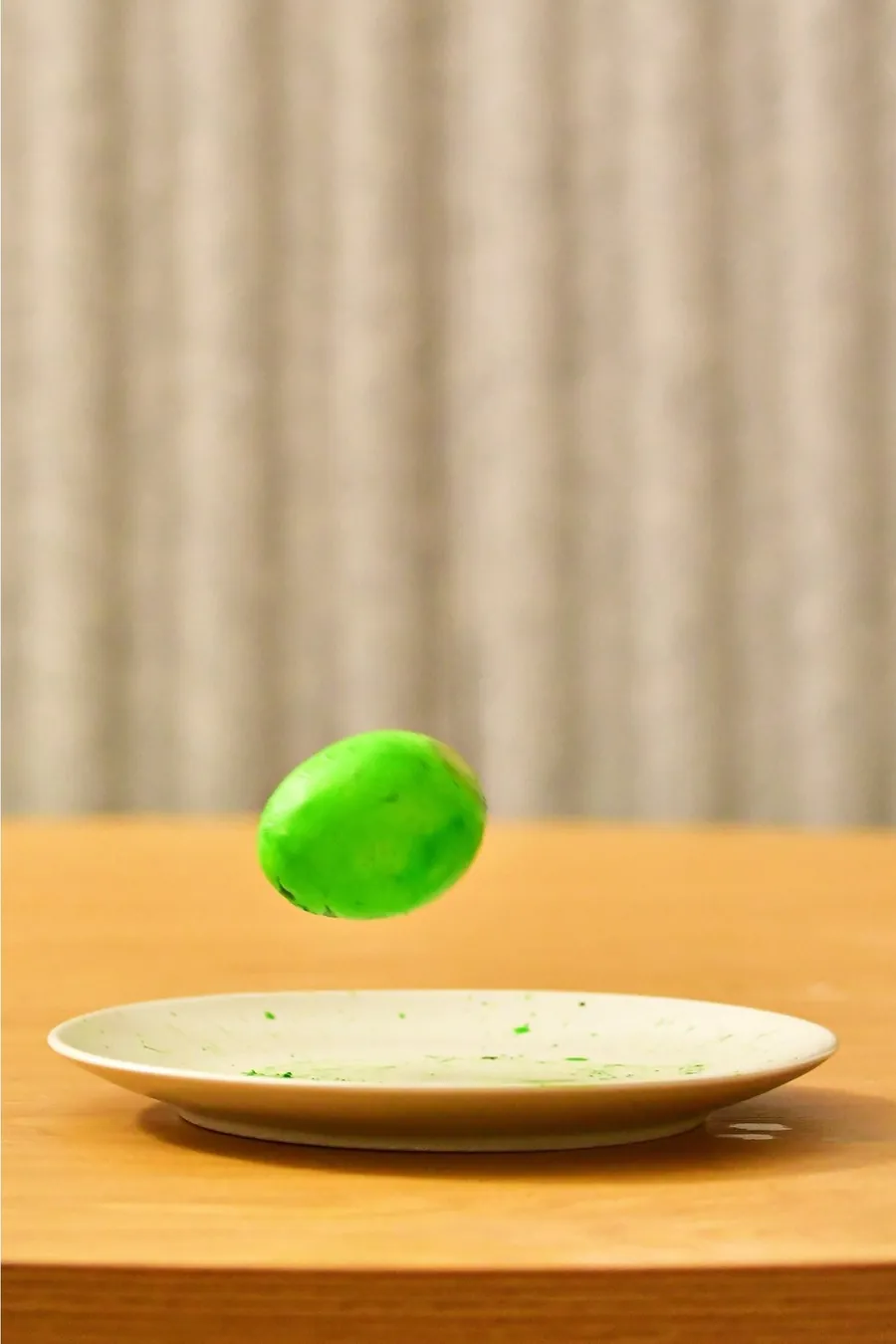
Some dinosaurs laid hard-shelled eggs, like today’s birds, and some laid soft, leathery ones, like a turtle’s. On Day 9, you and your child feel the difference together. The Bouncy Egg, Experiment 42 in Theo and Tilda’s Christmas Science Adventure, turns a hard egg into a soft, rubbery one. Start it on a weekend, because the vinegar needs a few days to dissolve the shell.
With a grown-up, please. It is still a raw egg, so bounce it gently from a low height over a plate or the sink, keep the vinegar away from eyes, wash hands and surfaces afterward, and don’t eat the egg.
A dinosaur from my home country
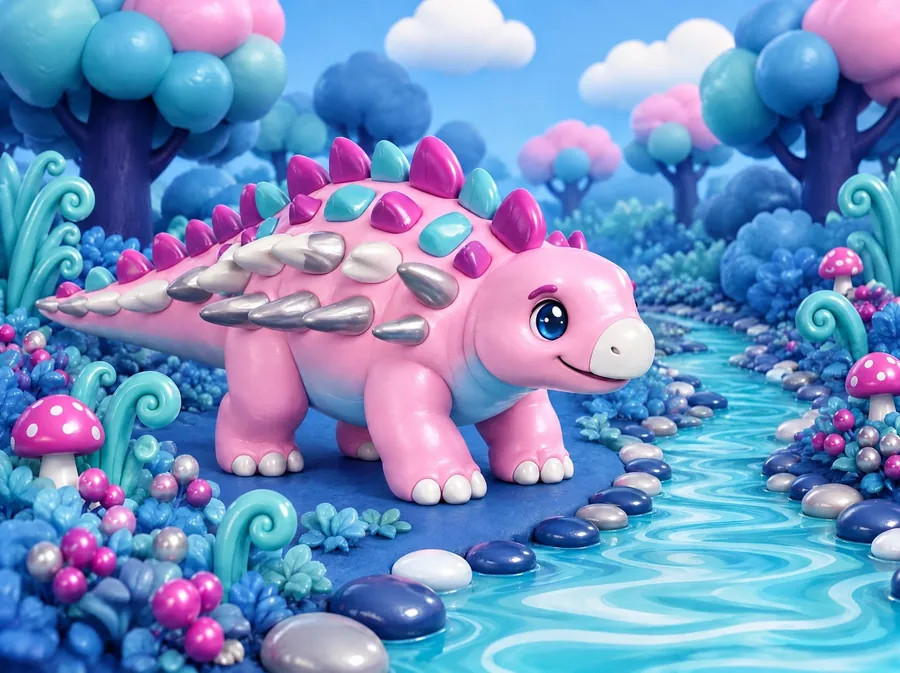
I live in Hungary, and we have our own dinosaurs. One of them, Hungarosaurus, was an armored plant-eater about 13 feet (4 m) long, as long as a car. It lived about 85 million years ago, when this part of Europe was a group of islands in a warm sea. Its bones come from Iharkút (EE-har-koot), an old mine in the Bakony Hills.
Mini mission: Have dinosaur fossils been found where you live? Ask a grown-up to help you find out.

Scientists keep learning. Some facts in this calendar are newer than the dinosaur books many of us grew up with: birds are dinosaurs, and many dinosaurs had feathers. And some questions are still a mystery, even for scientists. That is part of the FUN.
Want a winter story next? Read about the dinosaurs that lived in the snow. And here are all my printable advent calendars for kids.
Merry Christmas, dinosaur!
Today there are at least 11,000 kinds of birds. The tiny bee hummingbird weighs about as much as a dime. The ostrich can be taller than a grown-up and lays the biggest egg of any living bird. Every one of them is a dinosaur.
So the pigeon on the windowsill is a cousin of T. rex, and the sparrow at the feeder belongs to the same family tree as Velociraptor. Dinosaurs never fully disappeared. They are still here, just outside the window.
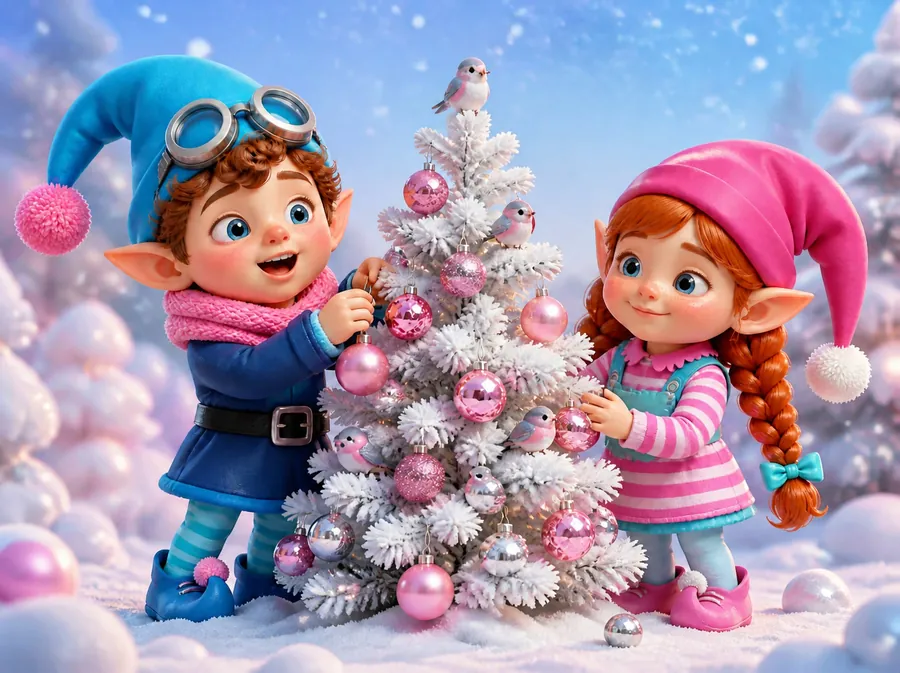
The mission for Christmas morning, straight from Day 24: say “Merry Christmas!” to the first dinosaur you see outside.
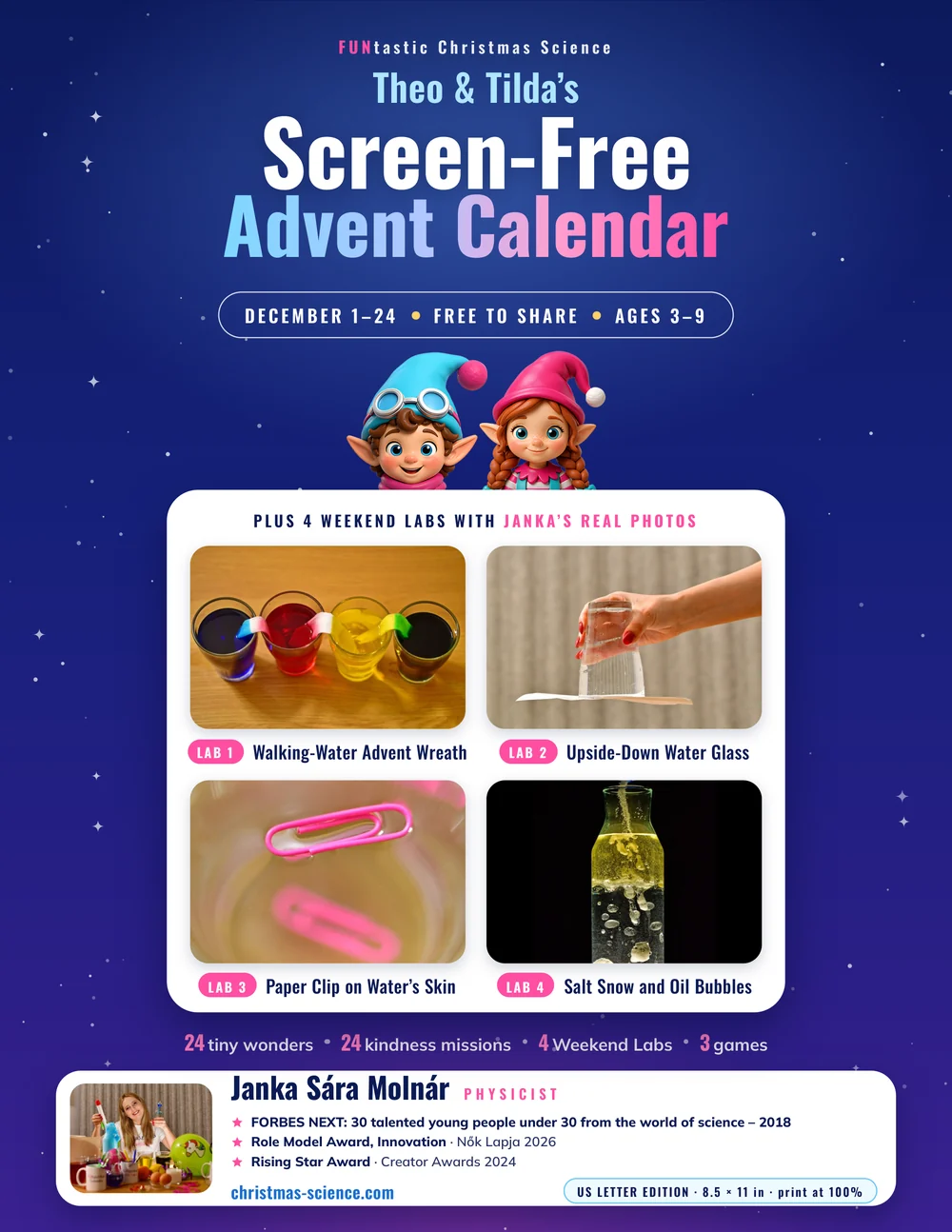
Theo & Tilda’s Screen-Free Advent Calendar
24 tiny wonders and 24 kindness missions, one for every day from December 1 to 24, plus 4 Weekend Labs with my real photos and 3 games. Most tiny wonders take about 10 minutes and use things you probably already have. 22 pages, for ages 3–9.
This calendar is free to share. Print it as often as you like for your family or class, and pass it on to friends, families, and teachers. Please don’t sell it or change it.

Know a child in a full-on dinosaur phase?
Send this to their grown-up. The story and the window mission above are free to try today.
COPY THIS MESSAGE
Paste it into a family group chat, or send it to a friend.
Did you know the pigeon outside is a dinosaur? Here’s a true story to tell the kids today, with a bird-watching mission and the toy-box “dinosaurs” that aren’t dinosaurs at all. A physicist checked every fact. www.christmas-science.com/blog/are-birds-dinosaurs-for-kids
Quick answers about birds and dinosaurs
Are birds dinosaurs or reptiles?
Both. Birds are dinosaurs, and on the scientific family tree the dinosaur branch grows from the reptile branch. So birds count as reptiles too, even though they have feathers and keep their bodies warm. Older books often list birds and reptiles as separate groups, so your child may hear both.
Is a chicken a dinosaur?
Yes. Every bird is a dinosaur, from chickens to penguins. Birds belong to the theropods, the same two-legged dinosaur group as T. rex and Velociraptor.
Did T. rex and Stegosaurus live at the same time?
No. Stegosaurus lived about 150 million years ago, and T. rex lived about 67 million years ago. About 83 million years separate them. Only about 67 million years separate T. rex from you, so T. rex is closer in time to you than to Stegosaurus.
Was Velociraptor really as big as in the movies?
No. The real Velociraptor was about the size of a turkey, and it had feathers. The movie raptors were modeled on a bigger cousin called Deinonychus, but the filmmakers kept the name Velociraptor.
What is the biggest dinosaur alive today?
The ostrich. It can be taller than a grown-up, it lays the biggest egg of any living bird, and it can run about 43 miles per hour (70 km/h), faster than any other bird on land.

About Janka
Janka Sára Molnár is a physicist and award-winning science communicator from Hungary, and the founder of FUNtastic Christmas Science. As a high school student, she built particle detectors and took them to CERN several times, where she presented them in its teacher program. She graduated from Eötvös Loránd University (ELTE) in Budapest, and for almost 15 years she has run several hundred science shows for children and families.
- FORBES NEXT: 30 talented young people under 30 from the world of science – 2018
- Rising Star Award, Creator Awards, 2024
- Role Model Award, Innovation, Nők Lapja, 2026
- Juhari Zsuzsanna Blog of the Year Award, Hungarian Academy of Sciences, 2023
The dinosaur illustrations and the pictures of Theo, Tilda, and their world were created with AI-assisted tools (Canva) and edited by our team. Most facts come from Theo & Tilda’s Dinosaur Advent Calendar, which physicist Janka Sára Molnár checked against natural history museums and scientific papers, and the rest were checked against the same kinds of sources. The Bouncy Egg photo is a real photo of her own experiment.
Keep reading
More Christmas science ideas from Theo, Tilda, and me.
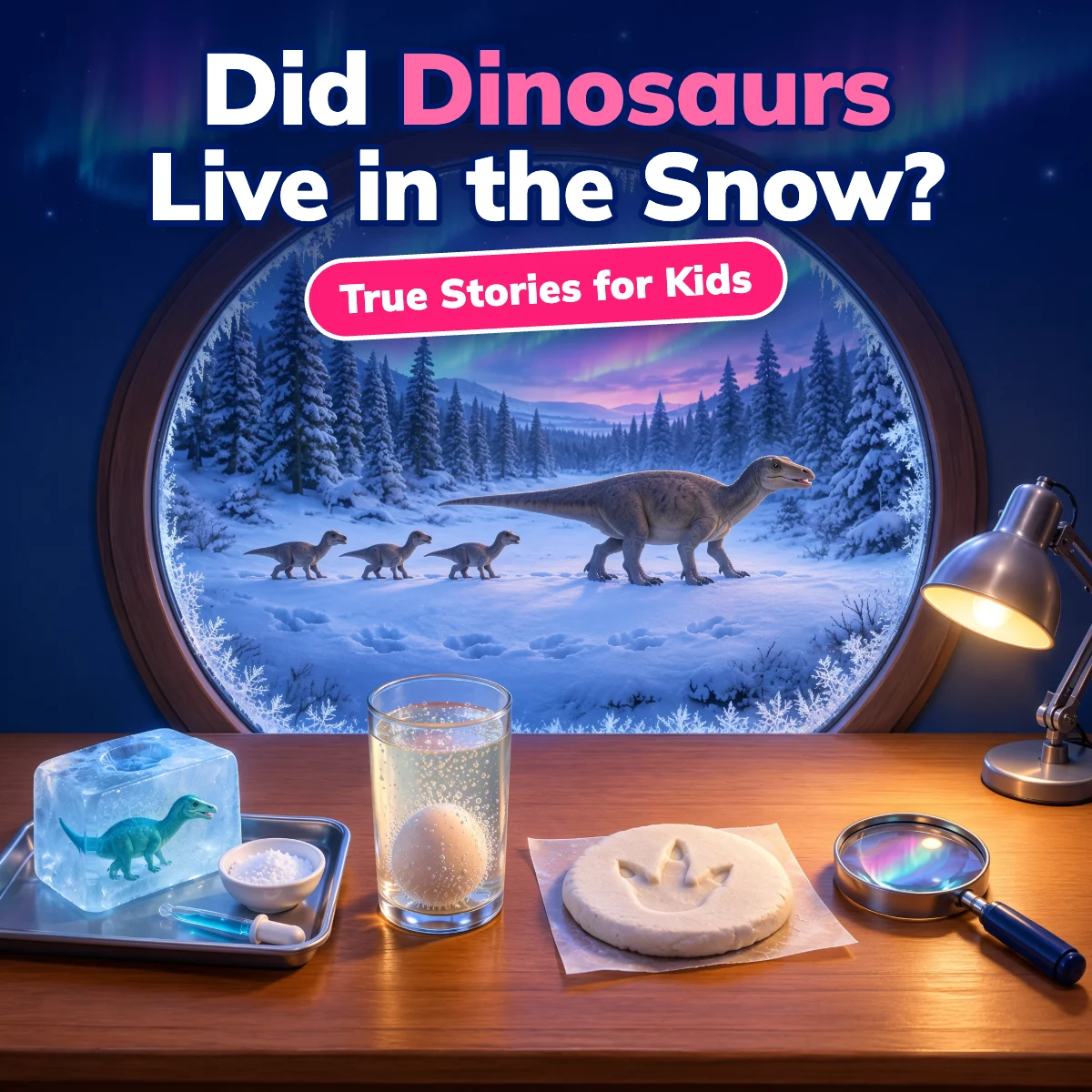 For parents · 10 min readDid Dinosaurs Live in the Snow? True Stories for KidsDid dinosaurs live in the snow? Yes. Baby dinosaurs hatched in snowy Arctic Alaska, and a crested dinosaur lived in forested Antarctica. Four true stories.Read the post →
 For parents · 22 min read10 Kitchen Science Experiments for Kids, Physicist-Tested10 easy kitchen science experiments for kids 3–9: lava lamp, walking water, bouncy egg, melting ice race, and more. Exact amounts, real photos.Read the post →
 Free calendar · Preschool · 9 min readScreen-Free Preschool Advent Calendar (Free Printable)A free, screen-free preschool advent calendar from a physicist: 24 ten-minute science wonders and kindness missions for Pre-K and K. Free to share.Read the post →
© 2026 FUNtasztikus Tudomány Kft. – Janka Sára Molnár