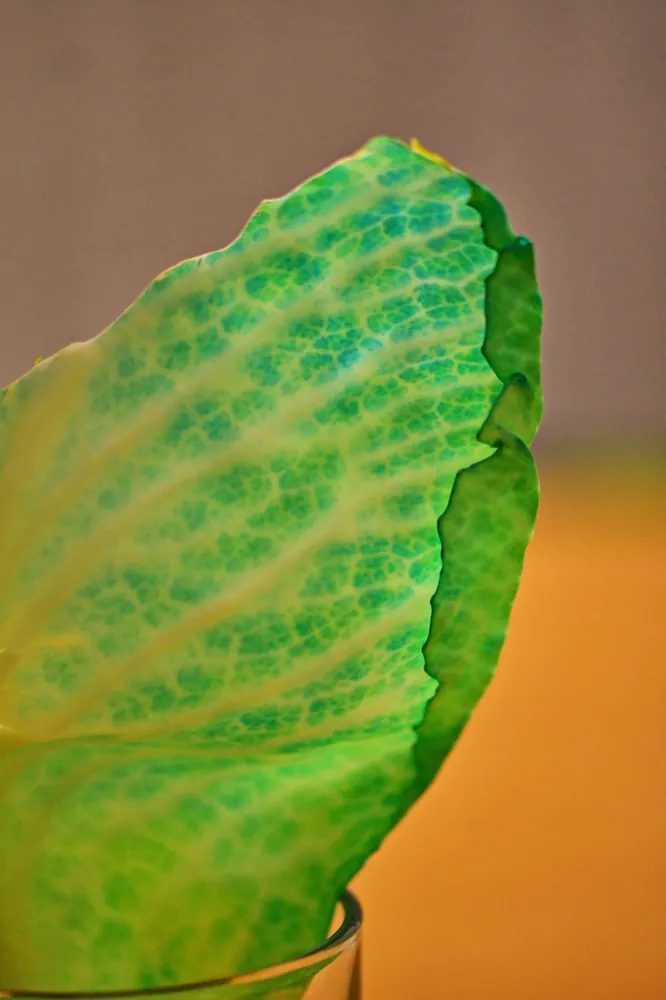
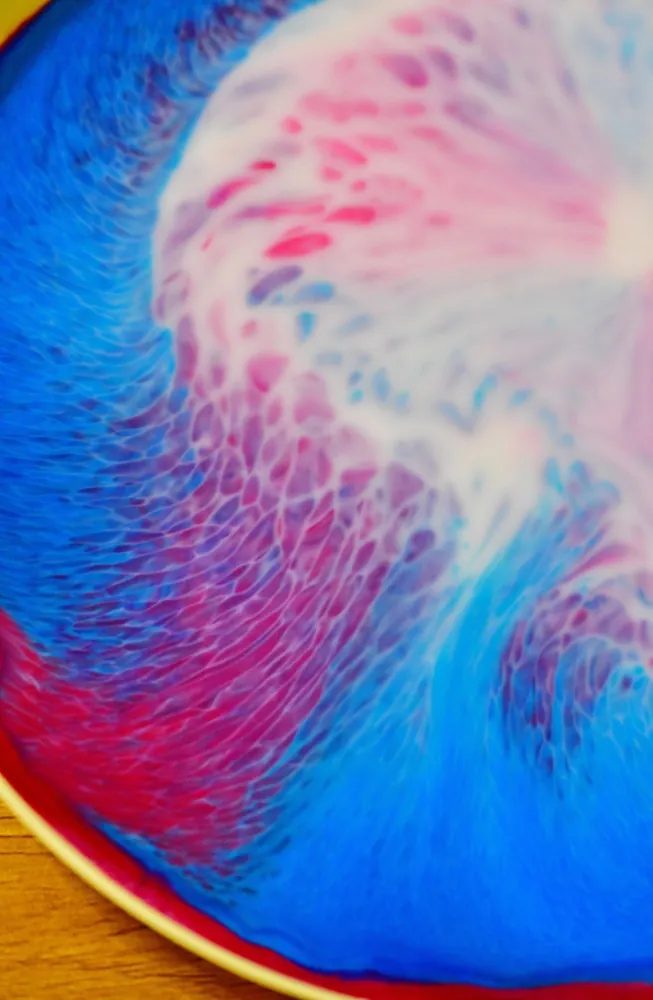
My first really cool experiment happened at a physics competition around St. Nicholas Day, December 6.
We stuck gummy bears to different metal wires with wax. Then we heated the wires and watched to see which gummy bear would fall first.
I still remember that feeling. This December, I would love as many children as possible to feel it too, and a classroom full of curious kids is the best place for it.
Which bear fell first? The answer is at the end.
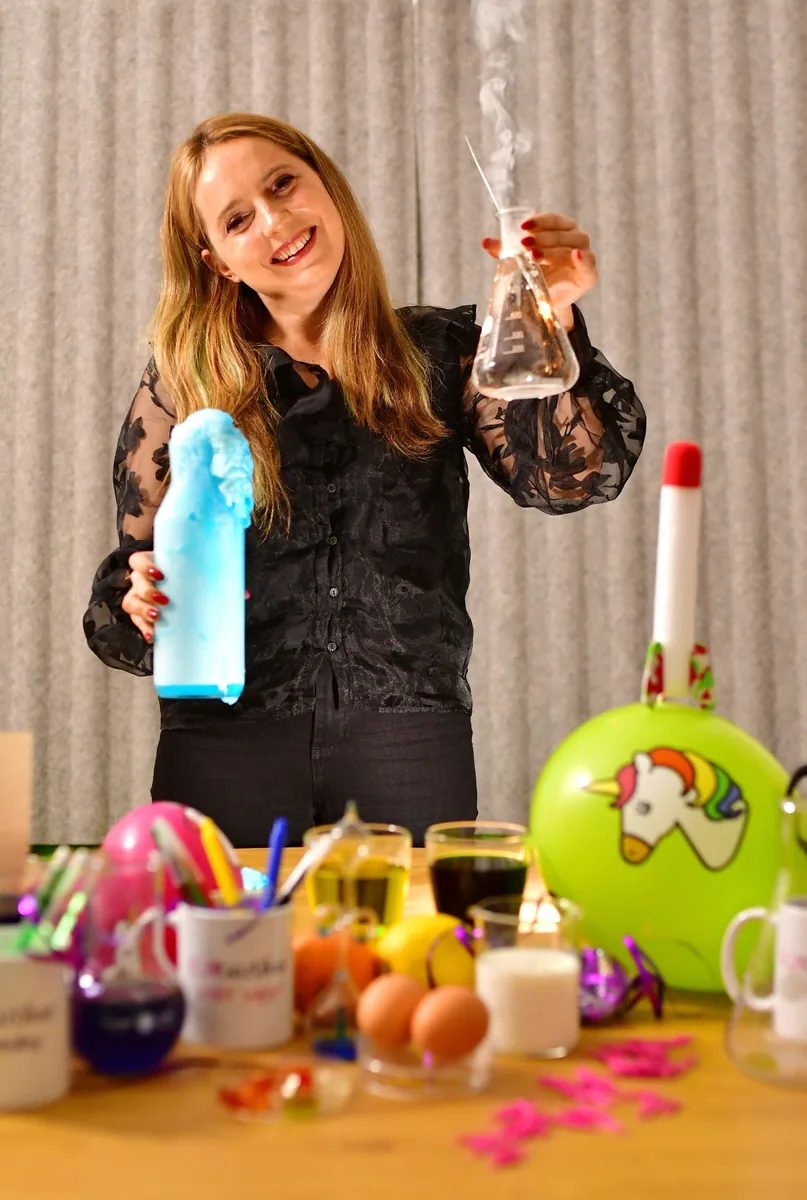
Janka at one of her science shows
The best Christmas science experiments for the classroom are short, low-prep, and built around one surprise children can see with their own eyes: colors that walk across a paper towel, cornstarch snow that turns hard when you poke it fast, or ice that melts faster in plain water than in salt water. I’m Janka Sára Molnár, a physicist from Hungary, and I’ve run hundreds of science shows for children over almost 15 years. My book, Theo & Tilda’s Christmas Science Adventure, gives you 51 of these experiments for preschool through Grade 2. Each one comes with a short Christmas story to read aloud and a real photo of the result, so your students know exactly what to look for. Most use everyday kitchen materials, every step that needs an adult is marked, and 33 of the 51 link to at least one K–2 NGSS performance expectation.
Know a K–2 teacher who is planning the weeks before winter break? Send this to them. The experiments are low-prep, and each one comes with a read-aloud story. Share it
Which Christmas science experiments work best in the classroom?
Pick experiments with a built-in surprise. A wrong prediction is good science, and it gives every child a reason to ask “Why?”
The four below are all in the Top 10 lists of my free Teacher Guide, and they run on kitchen basics: glasses, water, salt, cornstarch, food coloring, paper towels, and gummy bears. Two of them need a little waiting: the colored ice is frozen the day before, and the gummy bear grows overnight, so your class has a reason to rush back in the morning. In the book, every experiment page has a “Your turn!” challenge, numbered steps, a “What’s happening and why?” box in child-friendly words, three science words, and a mini mission for the week.
EXPERIMENT 41
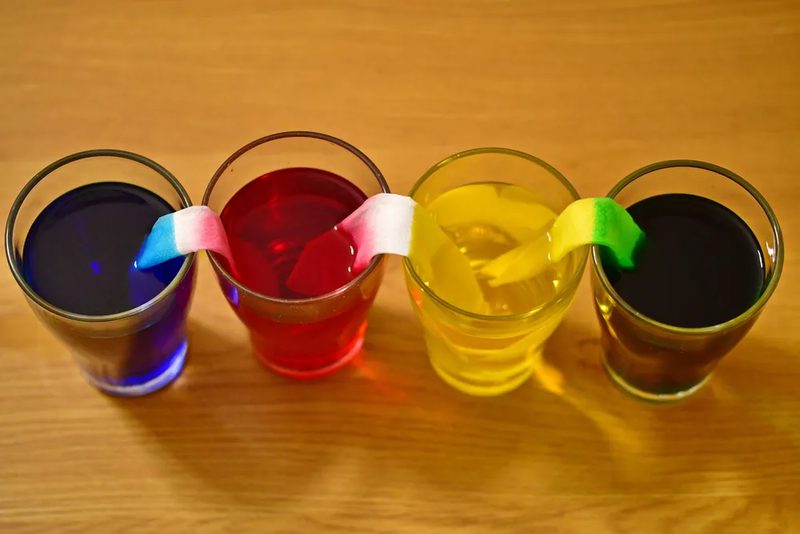
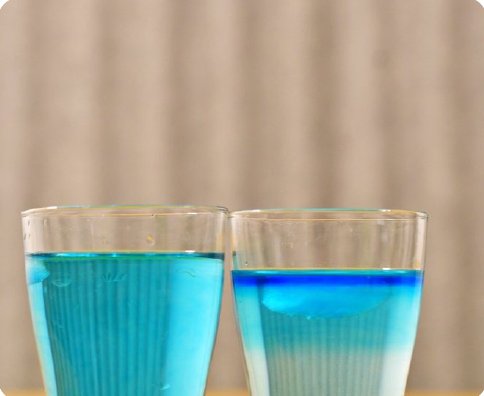
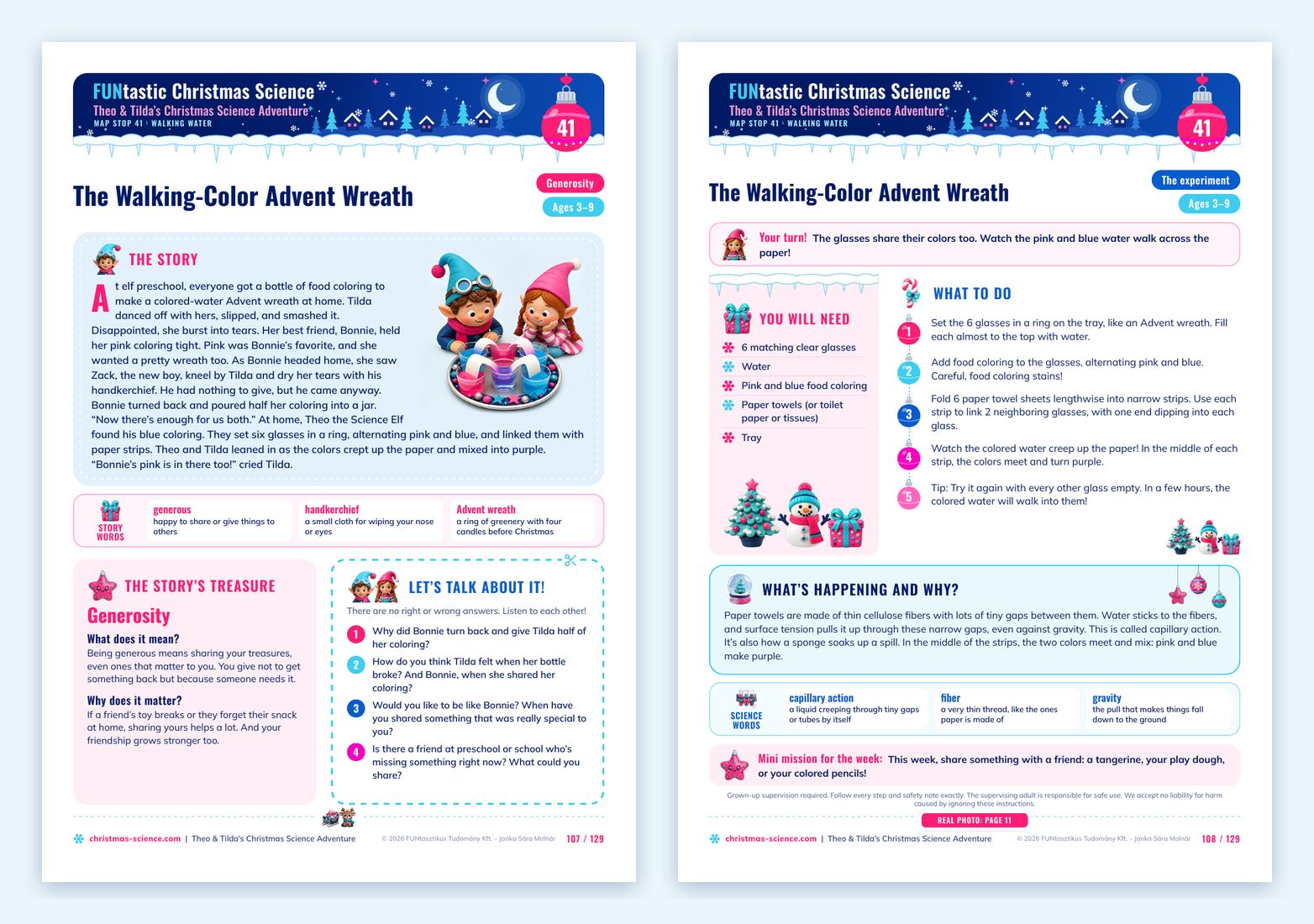
The Walking-Color Advent Wreath
You need
6 matching clear glasses, water, pink and blue food coloring, paper towels, a tray
The surprise
The colored water creeps up the paper, and where pink meets blue, it turns purple.
Try this too
Leave every other glass empty. In a few hours, the colored water walks into them.
Science words
capillary action, fiber, gravity
NGSS link: 2-PS1-2 · Children do it
EXPERIMENT 12
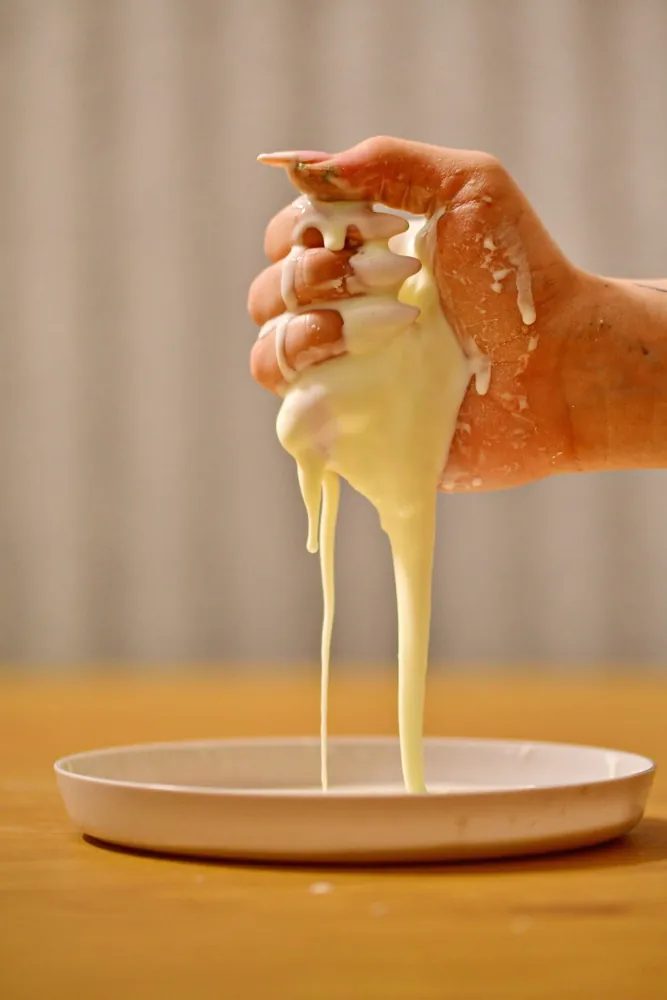
Magic Snow: Runny or Rock-Hard?
You need
About 1 cup cornstarch, about ½ cup water, a bowl, a spoon, a tray
The surprise
Tilt the bowl and it flows slowly. Poke it fast and it’s hard. Speed matters, not strength.
Classroom tip
The leftovers go in the trash, never down the drain. They can clog the pipes.
Science words
liquid, solid, suspension
NGSS link: 2-PS1-1 · Children do it
EXPERIMENT 10
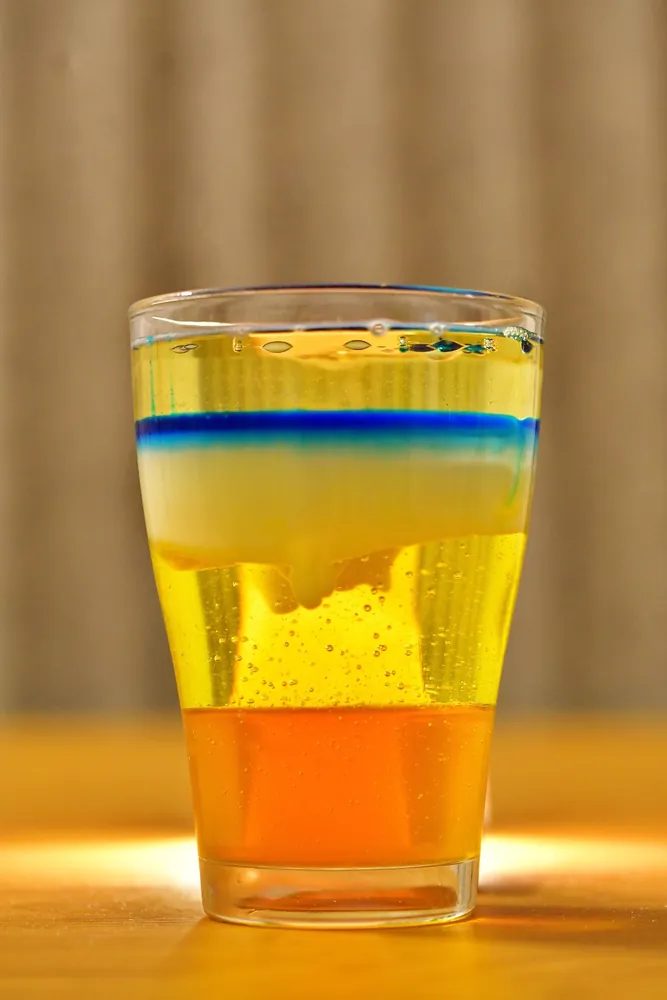
The Elfville Melting Race
You need
Ice cubes frozen with red or blue food coloring the day before, salt, 2 identical clear glasses, water, a spoon
The surprise
The ice melts faster in plain water. In very salty water, the cold meltwater stays on top and wraps the ice like a blanket.
Science words
density, meltwater, freezing point
NGSS links: 2-PS1-4, 2-ESS2-3 · Children do it
EXPERIMENT 27
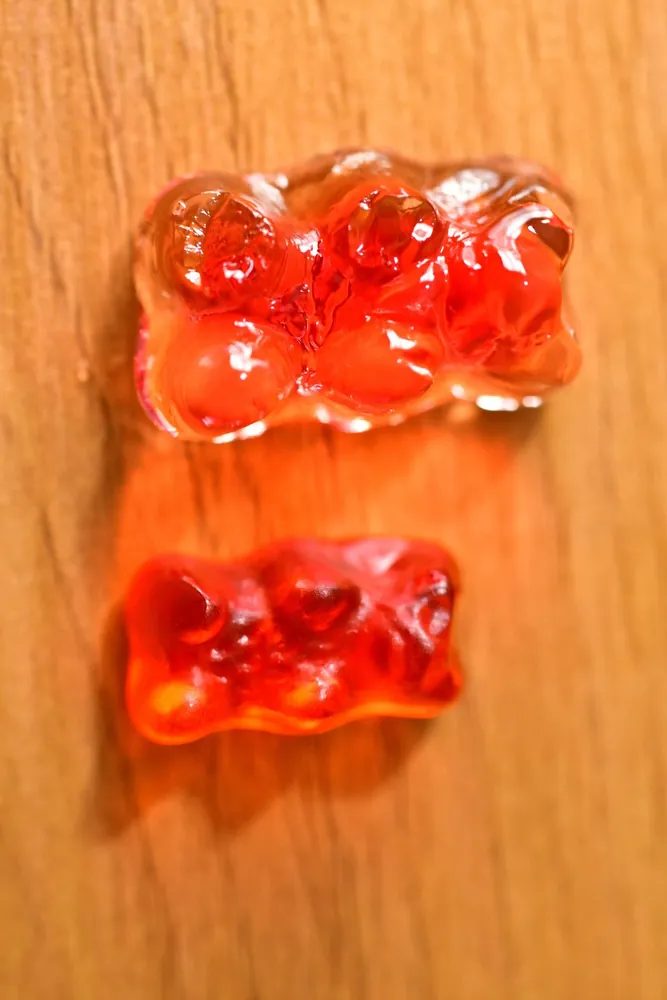
A Night for the Giant Bear
You need
2 matching gelatin gummy bears, a glass of cold tap water, a small plate, a spoon
The surprise
After at least 12 hours, the bear in the water is much bigger and paler than its twin on the plate.
Safety
Nobody eats the soaked bear. Small candies are a choking hazard for children under 5.
Science words
gelatin, osmosis, swell
NGSS link: 2-PS1-1 · Children do it
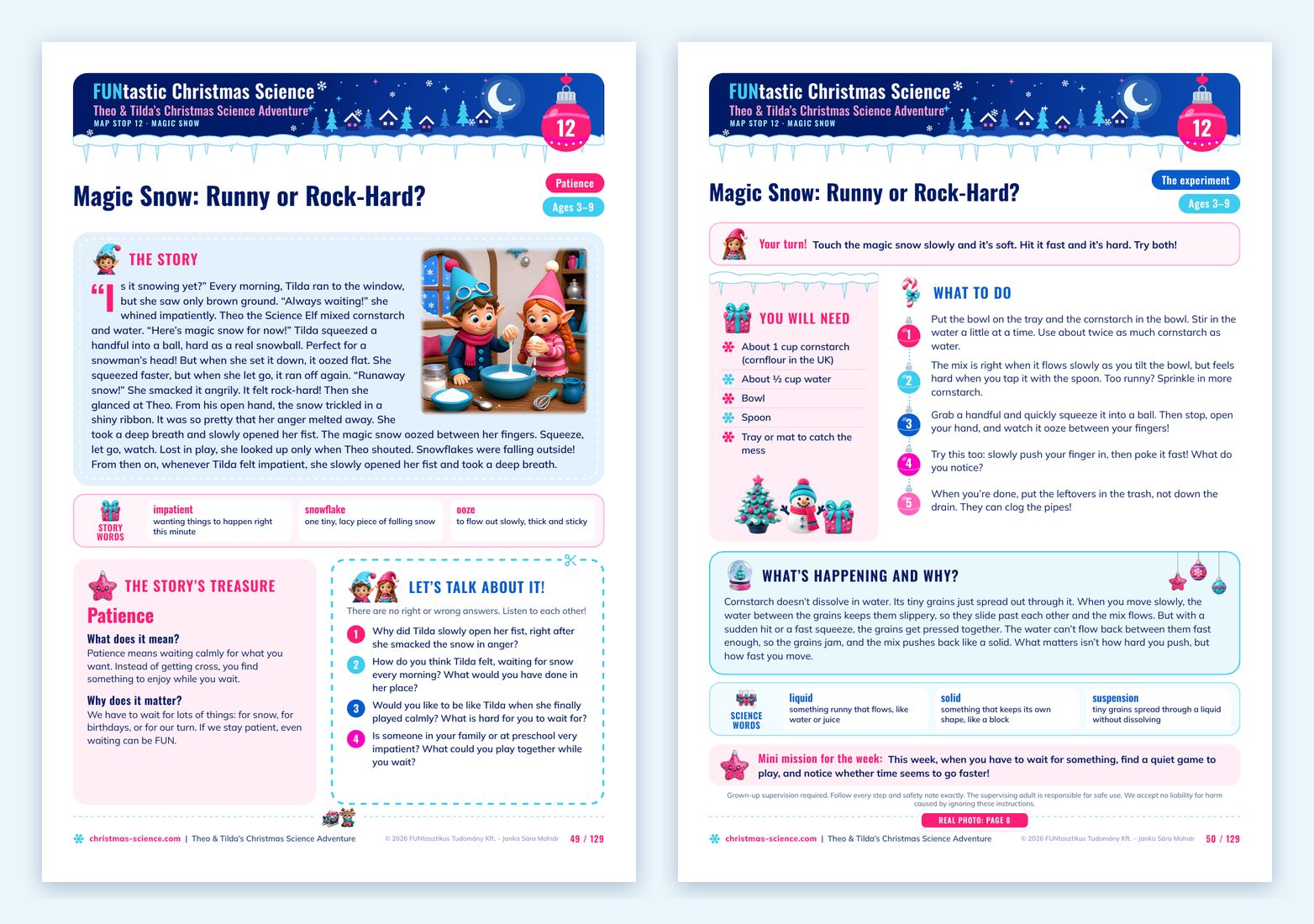
One full adventure from the book: the story with its value and talk questions on the left, the experiment on the right (pages 107–108).
Got a colleague whose class gets restless before winter break? Send them the ideas in this section. Share it
How do you keep students engaged before winter break?
Read the story first. When children care about Theo and Tilda, they care about the science.
My lesson pattern fits a 35–50 minute block, and for preschool you keep only the story, one prediction, and the experiment, about 15–20 minutes. For K–2, three habits make the biggest difference. Ask “How do you know?” after every result, so children learn to point to what they saw. Let them draw what they saw before you explain. And do it twice, changing one thing, so they discover cause and effect for themselves. In groups of three or four, give everyone a job and rotate the roles, so the child who usually watches gets to be the Scientist this time.
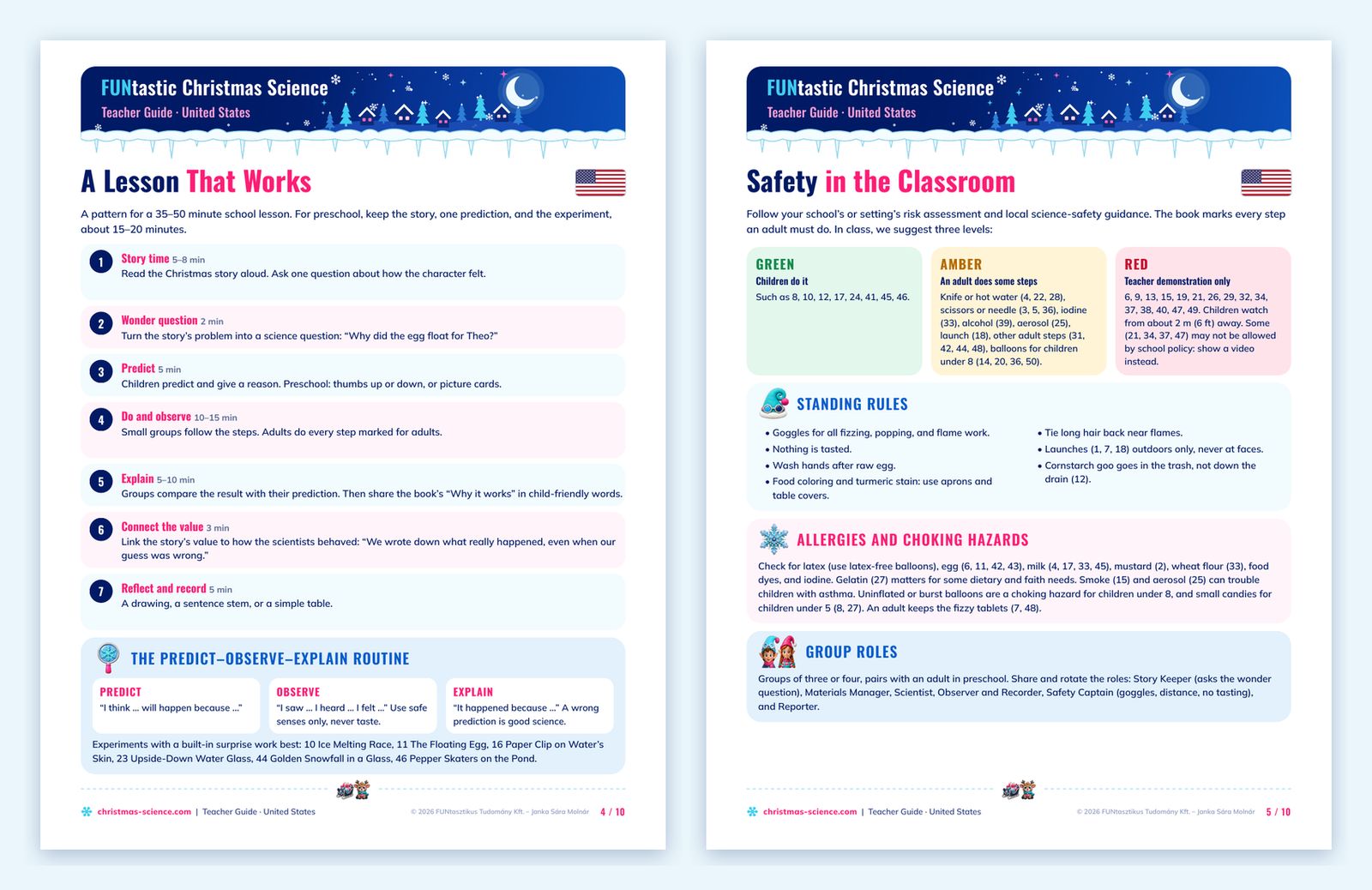
A lesson that works: 35–50 minutes
Story time. Read the Christmas story aloud. Ask one question about how the character felt.5–8 min
Wonder question. Turn the story’s problem into a science question: “Why did the egg float for Theo?”2 min
Predict. Children predict and give a reason.5 min
Do and observe. Small groups follow the steps. Adults do every step marked for adults.10–15 min
Explain. Groups compare the result with their prediction, then share the book’s “What’s happening and why?” box.5–10 min
Connect the value. “We wrote down what really happened, even when our guess was wrong.”3 min
Reflect and record. A drawing, a sentence stem, or a simple table.5 min
PREDICT“I think … will happen because …”
OBSERVE“I saw … I heard … I felt …” Safe senses only, never taste.
EXPLAIN“It happened because …” A wrong prediction is good science.
Ask “How do you know?”After every result. Children learn to point to what they saw, not to what they guessed.
Draw before you explainA quick drawing of what happened, then the “why.” The drawing shows you what they noticed.
Do it twiceChange one thing the second time. Children see cause and effect for themselves.
Group roles to rotate: Story Keeper (asks the wonder question), Materials Manager, Scientist, Observer and Recorder, Safety Captain (goggles, distance, no tasting), and Reporter.
From the free US Teacher Guide: the lesson pattern, the Predict–Observe–Explain routine, safety levels, allergy checks, and group roles.
Planning December with your grade-level team? Share this post with them before your next planning meeting. Share it
Are these Christmas science experiments aligned with NGSS?
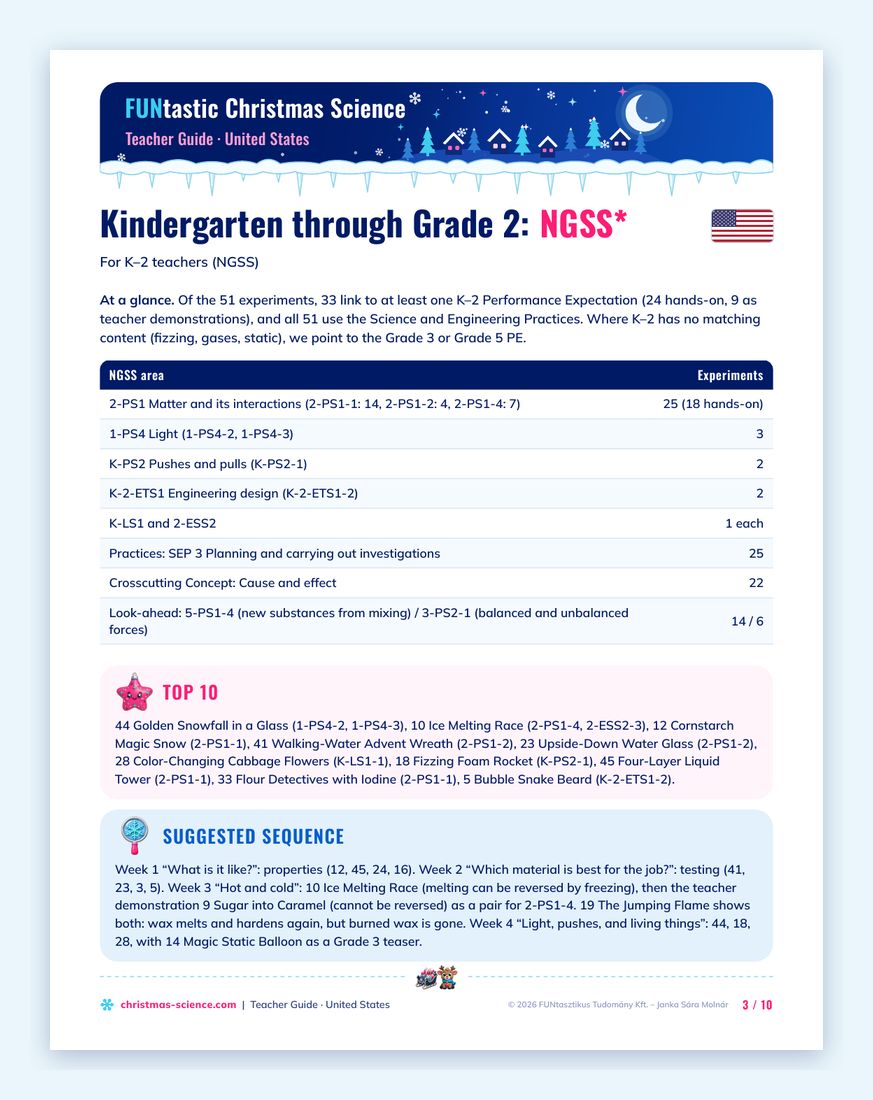
Yes, many of them. In my independent alignment guide, 33 of the 51 experiments link to at least one K–2 performance expectation (24 hands-on, 9 as teacher demonstrations), and all 51 use the Science and Engineering Practices.
The biggest group is matter and its interactions: 25 experiments connect to 2-PS1. Where K–2 has no matching content, like fizzing, gases, or static, the guide points to the Grade 3 or Grade 5 performance expectation instead. If you want December planned in one go, follow the four weeks below. Week 3 makes a neat pair for 2-PS1-4: the Melting Race shows a change you can reverse by freezing, and a teacher demonstration with caramel shows one you can’t.
Week
Big question and experiments (book numbers)
Week 1
“What is it like?” Properties12 Magic Snow, 45 Liquid Tower, 24 Oil Droplets, 16 Water’s Skin
Week 2
“Which material is best for the job?” Testing41 Walking Water, 23 Upside-Down Glass, 3 Unpoppable Balloon, 5 Bubble Snake
Week 3
“Hot and cold”10 Melting Race (melting can be reversed by freezing), then 9 Golden Caramel as a teacher demonstration (it can’t be reversed)
Week 4
“Light, pushes, and living things”44 Golden Snowfall, 18 Foam Rocket, 28 Cabbage Flowers, plus 14 Static Balloon as a Grade 3 teaser
Safety at a glance: the Teacher Guide sorts all 51 experiments into green (children do it), amber (an adult does some steps), and red (teacher demonstration only). The 24-day December plan is flame-free. Always follow your school’s own safety rules.
The K–2 NGSS page of the free Teacher Guide, with the Top 10 and the four-week sequence
What’s inside the book and the Activity Pack bundle?
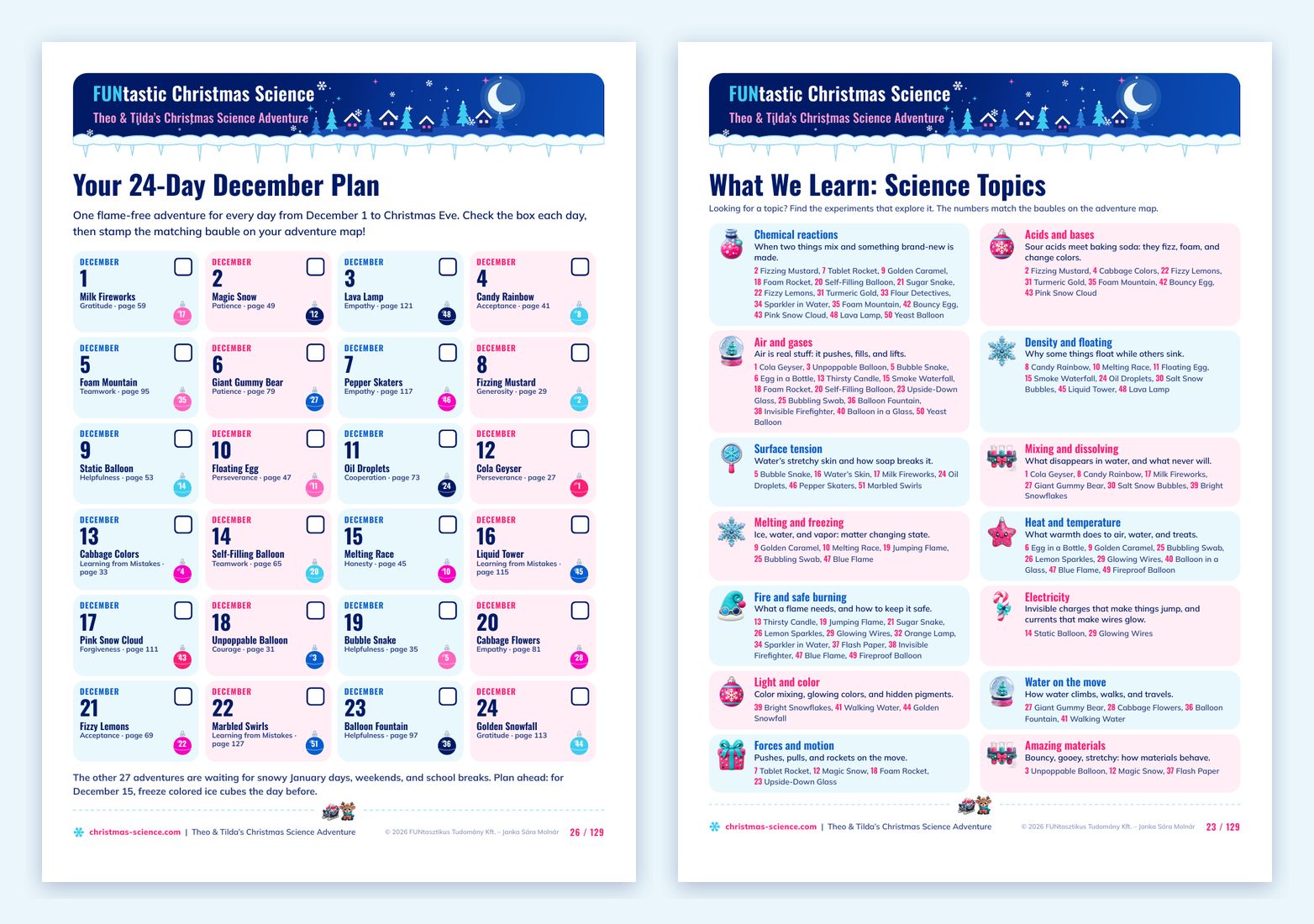
The book has 129 pages: 51 read-aloud stories, 51 experiments with real photos, a flame-free 24-day December plan from December 1 to Christmas Eve, and 27 more adventures for snowy January days, weekends, and school breaks.
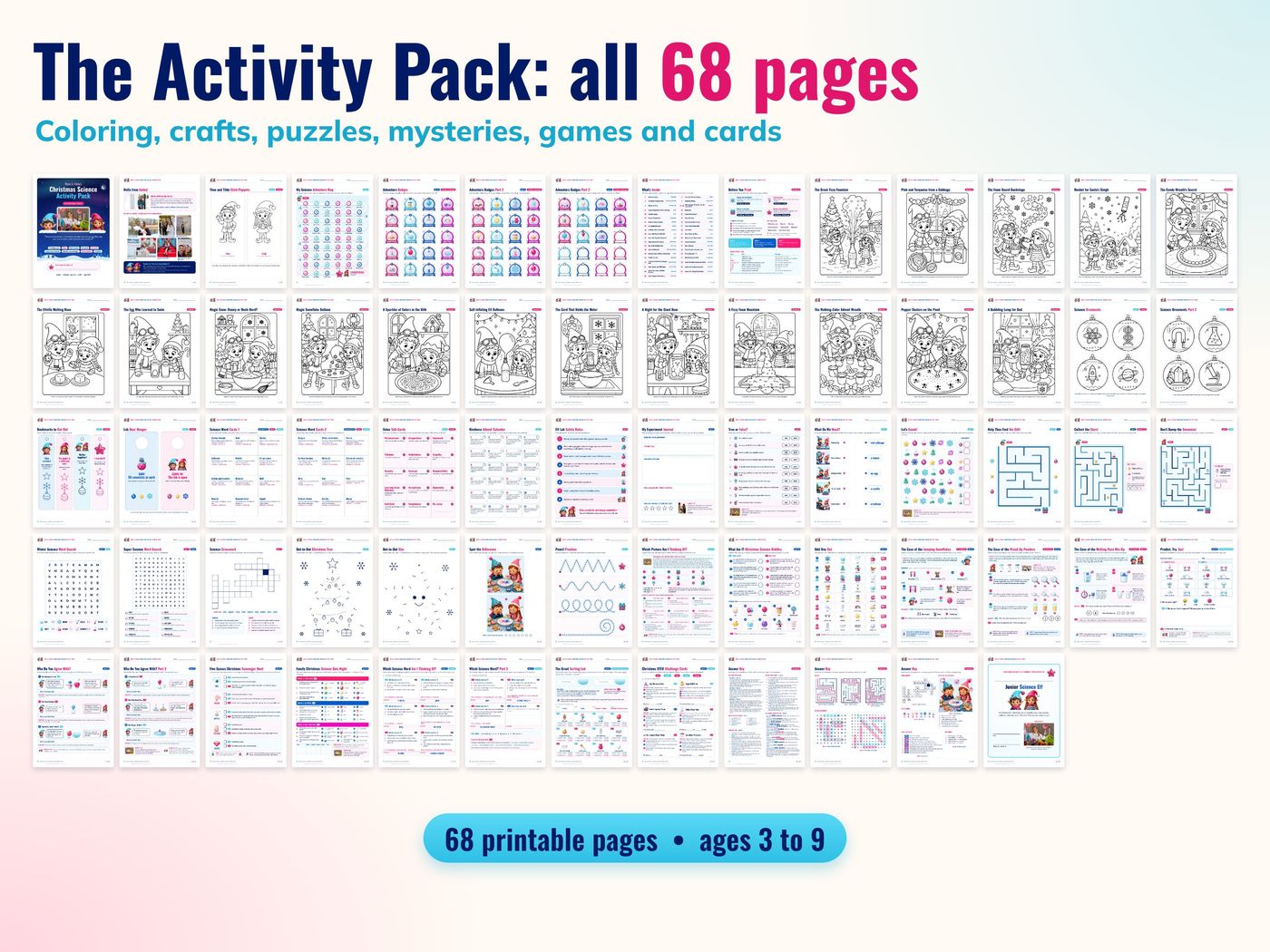
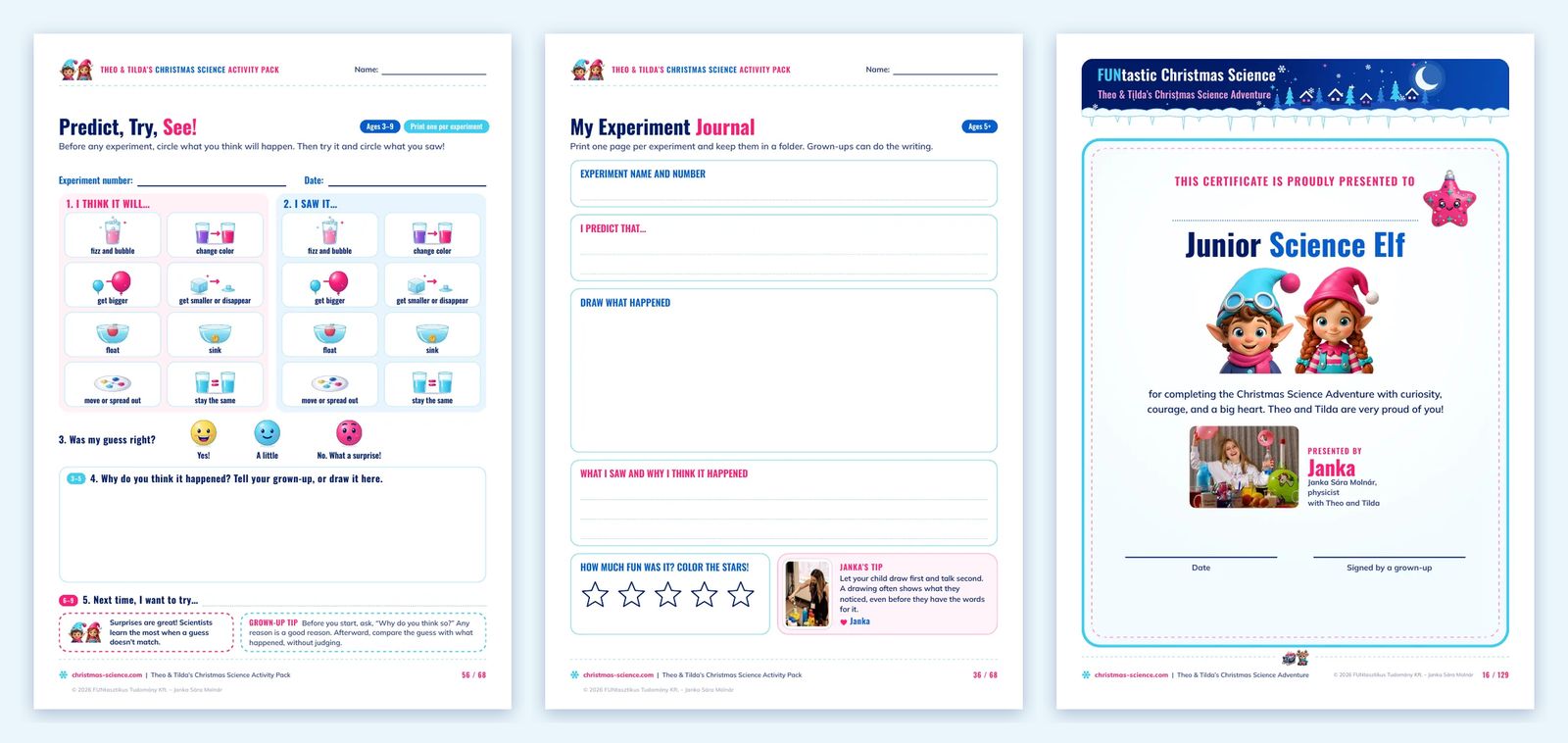
Every story is built around one value, from honesty and patience to courage and forgiveness, with talk questions and a mini mission for the week. Your copy covers you and your own class, so print as many pages as your children need. The bundle adds the 68-page Activity Pack: coloring pages, stick puppets, an adventure map, a “Predict, Try, See!” sheet, an experiment journal, Elf Lab Mysteries, STEM challenge cards, and a certificate to hand out before break. The book and the Activity Pack come in US Letter and A4.
Your 24-Day December Plan (page 26) and the What We Learn index, with all 51 experiments sorted by science topic (page 23)Another adventure: Magic Snow, with the story, talk questions, steps, and the “why” (pages 49–50)The Activity Pack: all 68 pages, included in the bundle“Predict, Try, See!” and the experiment journal from the Activity Pack, and the Junior Science Elf certificate
FREE TO DOWNLOAD · FREE TO SHARE
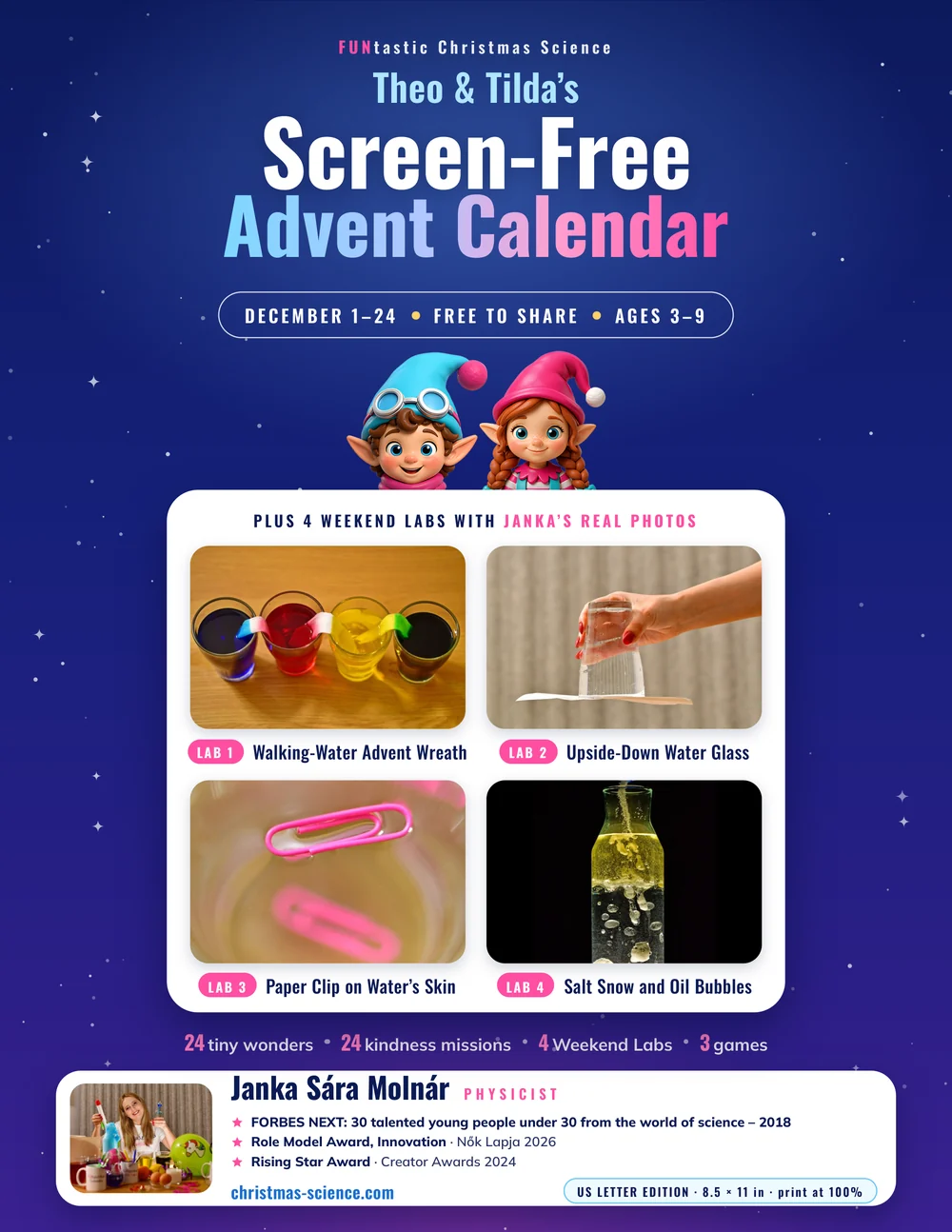
Theo & Tilda’s Screen-Free Advent Calendar
24 tiny wonders and 24 kindness missions, one for every day from December 1 to 24, plus 4 Weekend Labs with my real photos and 3 games. Most tiny wonders take about 10 minutes and use things you probably already have. 22 pages, for ages 3–9.
Each card names that day’s experiment from the book’s December plan, so it sits nicely next to the book in your classroom.
This calendar is free to share. Print it as often as you like for your family or class, and pass it on to friends, families, and teachers. Please don’t sell it or change it.
So which bear fell first? The one on the wire that carries heat best, because the wax holding it melted first. Copper carries heat better than most metals, so on a copper wire the bear usually drops first.
Since that competition, I’ve run hundreds of science shows for children. By the end of every show, the grown-ups are just as excited as the children, and I still love the moment when a whole room says “Wow!” together. I wrote Theo & Tilda’s Christmas Science Adventure to bring that moment into your classroom.
One more thing: in the book’s December plan, December 6, St. Nicholas Day, is the Giant Gummy Bear. No heat and no wax, just a glass of cold water and one night of patience. My first cool experiment, in a version your class can do.
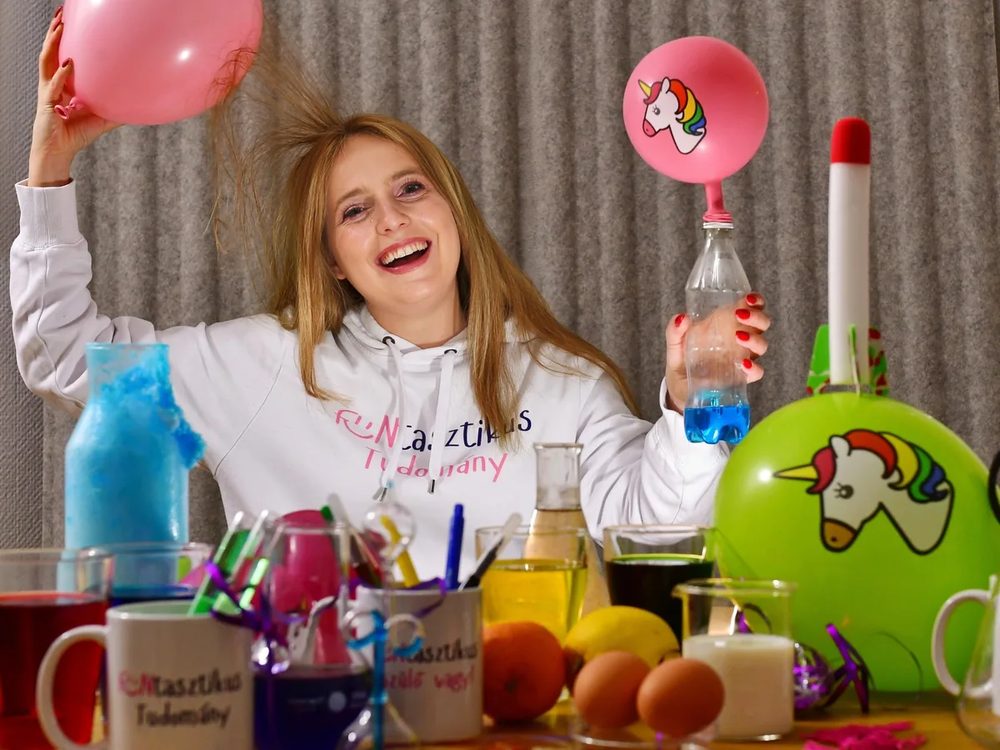
Janka with a balloon experiment
Know a teacher who’d love this?
If the gummy bears made you smile, pass this post on to a colleague. The experiments, the NGSS links and the December plan are all here for them.
COPY THIS MESSAGE
Paste it into your grade-level group chat, or send it to a colleague.
Found this for December! Low-prep Christmas science experiments for the classroom (K–2), with read-aloud stories, real photos, NGSS links and a December plan. www.christmas-science.com/blog/christmas-science-experiments-for-the-classroom
What is an easy Christmas science experiment for kindergarten?
Magic Snow is one of the easiest. Mix about 1 cup of cornstarch with about ½ cup of water in a bowl. Pushed slowly, it flows. Poked fast, it turns hard. It needs no heat, children can do it themselves, and it links to NGSS 2-PS1-1. The leftovers go in the trash, not down the drain.
What science activities can I do before winter break?
Short experiments with a visible surprise work best, for example the Walking-Color Advent Wreath, the Elfville Melting Race, or the Giant Gummy Bear, which grows overnight. Theo & Tilda’s Christmas Science Adventure has a flame-free 24-day December plan, one experiment a day from December 1 to Christmas Eve, so you can pick the school days that fit your calendar.
Can I use one copy of the book with my whole class?
Yes. One purchase covers one teacher with their own group or class, and you can print as many pages as your students need. Please don’t share the file. Your colleagues can download the free Teacher Guide from christmas-science.com.
Are the experiments safe for a classroom?
The book marks every step an adult must do, and the free Teacher Guide sorts the experiments into three levels: children do it, an adult does some steps, and teacher demonstration only. The 24-day December plan has no flames. Nothing is tasted, and goggles are used for fizzing and popping. Always follow your school’s own safety rules and check allergies first.
FROM THE BLOG
Keep reading
More Christmas science ideas from Theo, Tilda, and me.
The curriculum links come from an independent alignment guide prepared by the publisher and checked against official curriculum documents on November 6, 2026. It is not endorsed or accredited by any curriculum authority. NGSS is a registered trademark of WestEd. Neither WestEd nor the lead states and partners that developed the Next Generation Science Standards were involved in the production of this product, and do not endorse it.
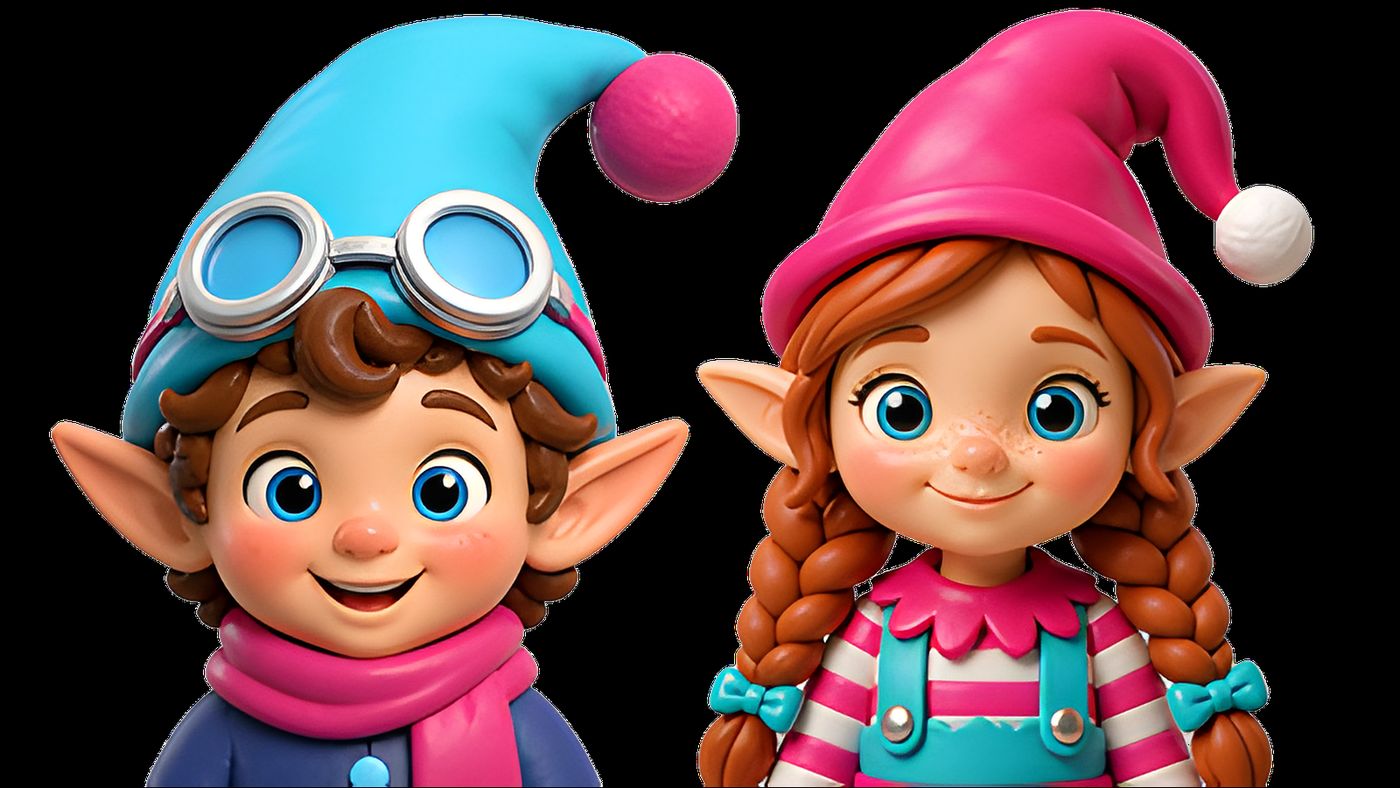
The illustrations of Theo, Tilda and their world were created with AI-assisted tools (Canva) and edited by our team. Physicist Janka Sára Molnár wrote the stories and the experiment instructions herself, and she designed and tested every experiment. AI tools were used only to correct and polish the text. The experiment photos are real photos of her own experiments.
We use a few cookies to keep the site running. With your OK, we also use Google Analytics to see which pages help families most, and the Meta pixel to see which Facebook and Instagram posts bring you here and to show our experiments to more families.Cookie Policy